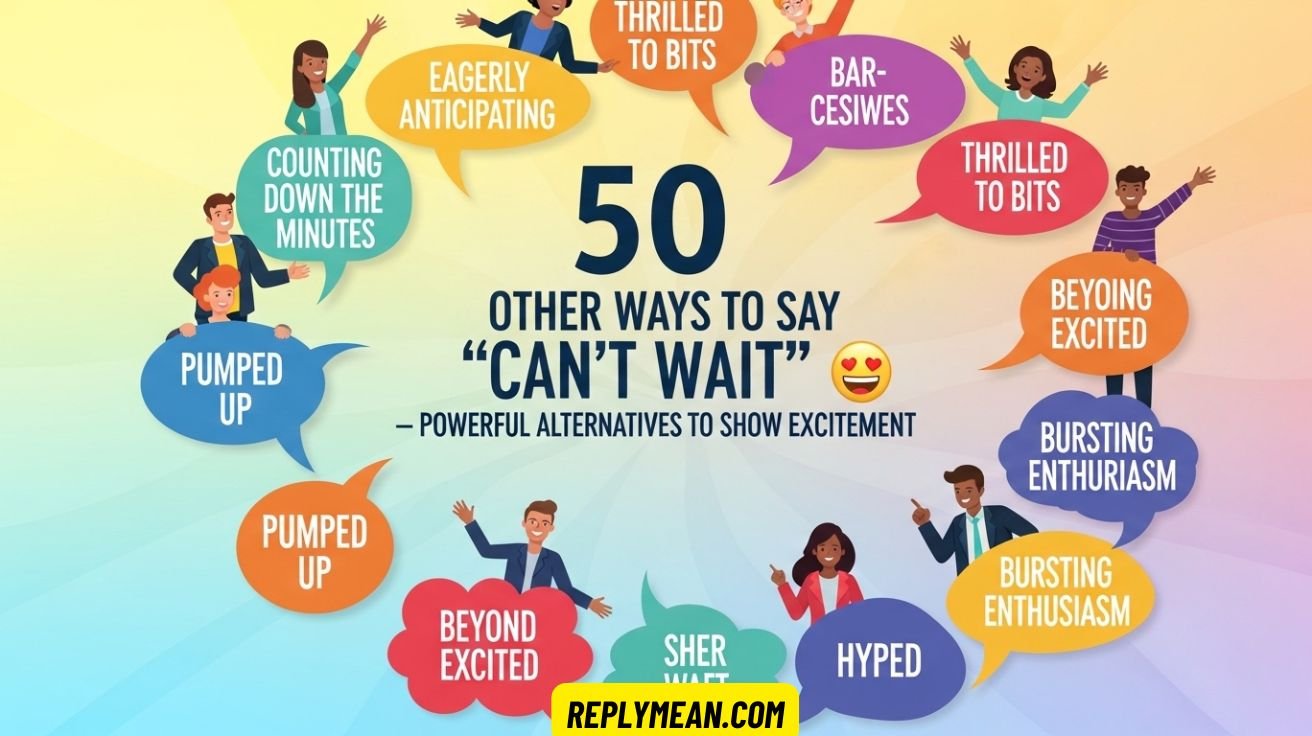
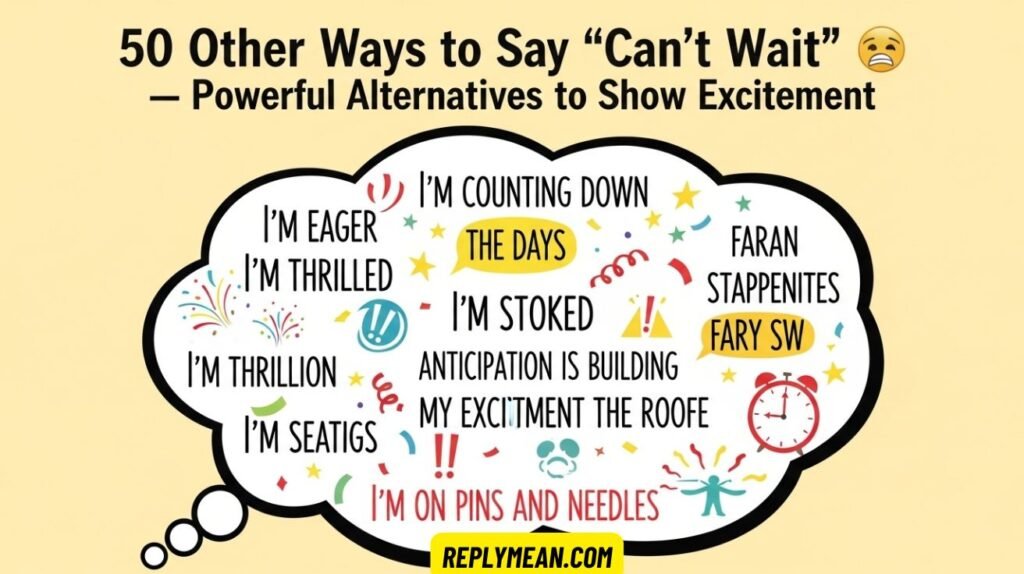
50 Other Ways to Say “Can’t Wait” 😬 – Powerful Alternatives to Show Excitement
“Can’t wait” means you feel very excited about something that will happen soon. It shows strong happiness and eagerness. People use it to express joy and anticipation. Learning new ways to say Can’t Wait helps you express the same feeling with different words.
We often say “can’t wait” again and again. After some time, it sounds boring and common. Your writing may lose its power. Simple changes can make your words sound fresh and interesting.
There are many easy and useful ways to say Can’t Wait in daily life. Some sound casual and fun. Some sound polite and professional. Learning these phrases helps you speak and write better English.
What Does “Can’t Wait” Mean?
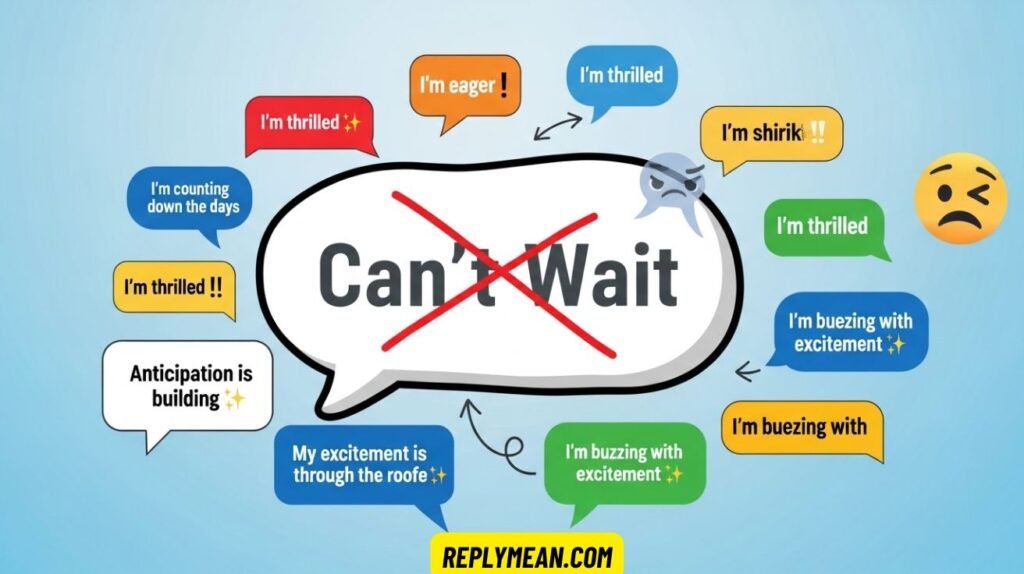
The phrase “can’t wait” means you feel strong excitement or eagerness about something that will happen soon. It shows happiness, positive anticipation, and sometimes a little impatience. It is one of the most popular words for excitement in everyday American English.
For example, when someone says, “I can’t wait for the weekend,” they are showing strong positive feelings about something coming soon. It is one of many expressions of anticipation people use to share joy.
In language learning, phrases like this are part of your excitement vocabulary. They are also examples of phrases to express eagerness and anticipation phrases. These kinds of expressions help you connect emotionally with others. They are powerful tools for storytelling, texting, and even professional communication.
However, if you only use “can’t wait,” your communication may sound simple or repetitive. Learning different ways to say excited and exploring an English synonyms list helps you become more expressive and confident.
When to Use “Can’t Wait”
“Can’t wait” works best in casual settings. Americans use it in everyday speech, especially in text message excitement phrases, conversations with friends, and excited expressions for social media. It sounds friendly and warm.
You can use it when talking about vacations, birthdays, concerts, sports games, family events, or meeting friends. It also works in relaxed office communication when you already have a friendly relationship with coworkers.
But tone matters. In formal settings, especially when sending business proposals or writing to a senior manager, it may sound too informal. In these cases, you may need more polished anticipation language examples.
Understanding when to switch tone is part of building strong professional communication vocabulary and mastering formal email expressions.
Is It Professional/Polite to Say “Can’t Wait”?
In many American workplaces, saying “I can’t wait to start the project” is not wrong. However, it may sound too casual in serious business situations. If you want to know how to say can’t wait professionally, you need to choose language that sounds respectful and polished.
In corporate environments, people prefer professional synonyms for can’t wait or polite ways to say can’t wait. These include phrases like “I look forward to” or “I eagerly anticipate.” These are strong examples of formal alternatives to can’t wait.
Below is a helpful comparison table that shows tone differences.
| Casual Phrase | Professional Alternative | Tone Level |
| Can’t wait | Looking forward to | Semi-formal |
| So excited | Enthusiastic about | Professional |
| Super pumped | Eager to begin | Workplace-ready |
| Hyped | Anticipating | Formal |
Choosing the right phrase helps with showing excitement in emails, building trust, and maintaining professionalism. It also improves your office communication phrases and overall business writing.
50 Alternatives to “Can’t Wait”
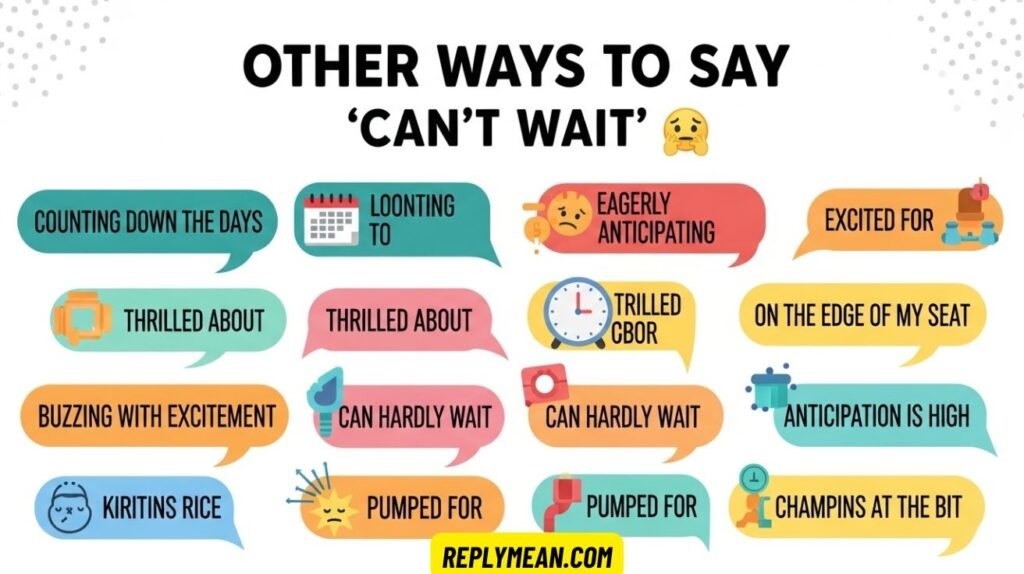
Now let’s explore 50 powerful English phrase alternatives. These phrases are grouped naturally by tone and usage. Each one is part of your growing excited synonyms list and helps you build stronger enthusiastic expressions.
1. Eager to see
This phrase shows strong positive interest in something happening soon. It feels warm, natural, and slightly polished, making it useful in both friendly conversations and professional communication settings.
You can say, “I’m eager to see the results,” in a meeting or message. It sounds confident and respectful. This is one of the safest professional synonyms for can’t wait.
2. Looking forward to
This is one of the most common polite ways to say can’t wait in American English. It works perfectly in emails, meetings, and formal conversations without sounding overly emotional.
For example, “I’m looking forward to our discussion tomorrow.” It shows appreciation and readiness. Many business email phrases use this expression because it maintains a positive, professional tone.
3. Excited about
This phrase clearly shows happiness and strong positive emotion. It is simple, direct, and friendly. People use it often in casual speech and excited expressions for social media posts.
You might say, “I’m excited about the trip.” It sounds energetic but natural. It is one of the easiest different ways to say excited in daily conversation.
4. Anxious to
In positive contexts, anxious to means eager and ready. It sounds slightly formal and serious. This phrase is helpful when expressing eagerness politely in workplace communication.
For instance, “I’m anxious to begin the project.” It suggests commitment and interest. It works well in professional communication vocabulary and formal email expressions.
5. Thrilled for
Thrilled for is often used when you feel excited about someone else’s success or opportunity. It shows emotional support and genuine happiness in personal conversations.
You could say, “I’m thrilled for your promotion.” It sounds warm and heartfelt. This phrase strengthens emotional expressions in English naturally.
6. Pumped up about
This is energetic American slang for excitement. It feels lively and informal. It works well when discussing sports, concerts, or big events with friends.
For example, “I’m pumped up about the game.” It carries high energy. It is a strong example of casual phrases for excitement.
7. Counting down the days
This phrase paints a clear picture of anticipation. It suggests you are marking time carefully because you are truly excited about what is coming soon.
You might say, “I’m counting down the days until vacation.” It expresses joyful impatience and strong anticipation language examples.
8. Ready for
Ready for shows preparation and enthusiasm at the same time. It sounds confident and proactive in both personal and workplace situations.
For example, “I’m ready for the presentation.” It suggests confidence. It works well among workplace enthusiasm phrases.
9. Buzzing for
Buzzing for is lively and slightly trendy. It suggests excitement that feels energetic and social, especially in informal English expressions.
You could say, “I’m buzzing for the festival.” It sounds upbeat and youthful. This phrase fits well in social media caption ideas.
10. On pins and needles
This idiom expresses excitement mixed with nervous anticipation. It shows emotional depth and suspense in conversations.
For instance, “I’m on pins and needles waiting for the results.” It communicates tension and eagerness clearly.
11. Jazzed about
Jazzed about feels playful and upbeat. It suggests energetic excitement without being too intense. It works well in relaxed conversations.
You might say, “I’m jazzed about the weekend plans.” It sounds fun and expressive in casual settings.
12. Stoked for
Stoked for is popular in American slang. It expresses strong happiness and enthusiasm, especially about fun activities.
For example, “I’m stoked for the concert.” It sounds energetic and youthful.
13. Hyped about
Hyped about suggests excitement that feels loud and expressive. It is commonly used in trendy ways to say excited.
You could say, “I’m hyped about the launch.” It sounds modern and energetic.
14. Psyched for
Psyched for shows mental readiness and excitement combined. It is informal but positive.
For instance, “I’m psyched for the trip.” It sounds enthusiastic and upbeat.
15. Fired up about
Fired up about mixes motivation and excitement. It suggests passion and energy toward a goal.
You might say, “I’m fired up about this opportunity.” It communicates strong enthusiasm.
16. Revved up about
Revved up about creates an image of high energy. It suggests you feel energized and ready.
For example, “I’m revved up about the tournament.” It sounds dynamic and powerful.
17. Over the moon about
Over the moon about means extremely happy and excited. It expresses deep joy.
You could say, “I’m over the moon about the news.” It sounds heartfelt and emotional.
18. Raring to go
Raring to go means fully prepared and excited to begin. It feels active and confident.
For instance, “I’m raring to go for the event.” It sounds eager and motivated.
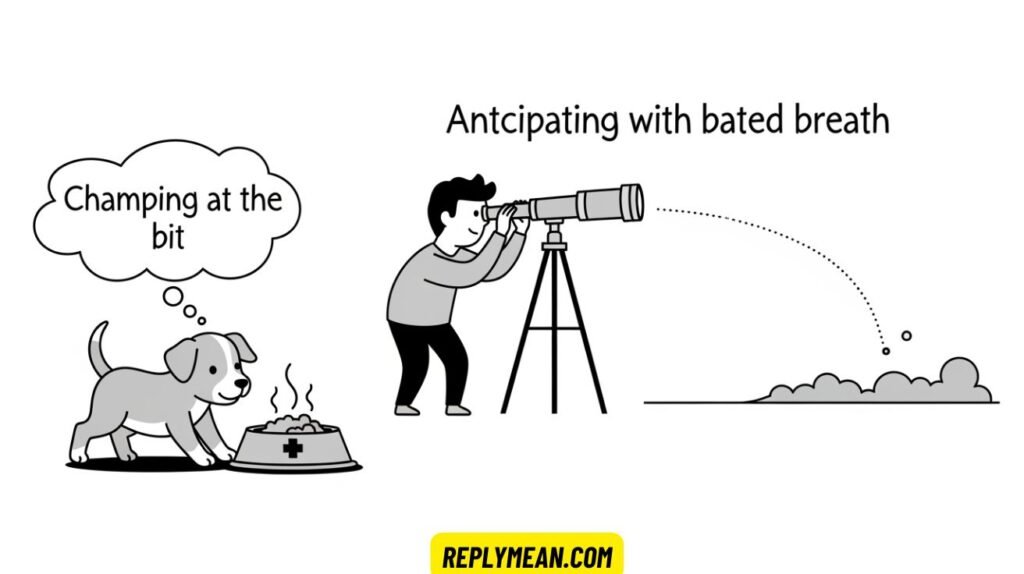
19. Chomping at the bit
This idiom shows impatience mixed with excitement. It comes from horse racing language.
You might say, “I’m chomping at the bit to start.” It suggests strong eagerness.
20. Amped for
Amped for suggests high energy and excitement. It sounds modern and expressive.
For example, “I’m amped for the weekend.” It communicates lively anticipation.
21. Enthusiastic about
Enthusiastic about sounds polished and positive. It is often used in professional environments.
You could say, “I’m enthusiastic about the proposal.” It shows professional eagerness.
22. Anticipating
Anticipating feels formal and balanced. It expresses expectation with optimism.
For instance, “I’m anticipating a strong turnout.” It sounds confident and respectful.
23. Eagerly anticipating
This phrase strengthens anticipation. It sounds slightly formal and expressive.
You might say, “I’m eagerly anticipating the results.” It communicates strong interest.
24. Delighted at the prospect of
This expression feels refined and formal. It works well in corporate email alternatives.
For example, “I’m delighted at the prospect of working together.” It sounds professional.
25. Awaiting with interest
Awaiting with interest is calm and polished. It expresses quiet excitement.
You could say, “I’m awaiting your response with interest.” It maintains professionalism.
26. Looking ahead to
Looking ahead to sounds optimistic and forward-focused. It suggests positive planning.
For instance, “I’m looking ahead to next quarter.” It shows anticipation.
27. Keen to
Keen to is common in professional tone alternatives. It feels polite and engaged.
You might say, “I’m keen to learn more.” It expresses genuine interest
28. Optimistic about
Optimistic about shows hopeful excitement. It sounds thoughtful and balanced.
For example, “I’m optimistic about the results.” It communicates positivity.
29. Expecting with excitement
This phrase clearly expresses joy about something upcoming. It sounds slightly formal.
You could say, “I’m expecting the event with excitement.” It feels expressive.
30. Prepared for
Prepared for shows readiness combined with eagerness. It sounds confident and steady.
For instance, “I’m prepared for the challenge.” It communicates strength.
31. Can hardly wait
This is very close to can’t wait but slightly more expressive. It feels playful.
You might say, “I can hardly wait for the holidays.” It shows enthusiasm.
32. Dying to
Dying to is informal and dramatic. It expresses strong curiosity or excitement.
For example, “I’m dying to see the movie.” It sounds intense but casual.
33. So ready
So ready is simple and modern. It shows emotional readiness.
You could say, “I’m so ready for this.” It feels natural and relaxed.
34. Full of anticipation
Full of anticipation expresses emotional build-up. It feels descriptive.
For instance, “I’m full of anticipation.” It sounds thoughtful.
35. Waiting eagerly
Waiting eagerly feels balanced and clear. It expresses patient excitement.
You might say, “I’m waiting eagerly for news.” It sounds polite.
36. Excited beyond words
This phrase shows deep emotion. It suggests you feel overwhelmed positively.
For example, “I’m excited beyond words.” It sounds heartfelt.
37. Filled with excitement
Filled with excitement describes emotion clearly. It feels vivid and expressive.
You could say, “I’m filled with excitement about the trip.” It sounds joyful.
38. Happy about
Happy about is simple and sincere. It shows steady positive emotion.
For instance, “I’m happy about the opportunity.” It sounds calm.
39. Glad about
Glad about is polite and light. It expresses satisfaction.
You might say, “I’m glad about the decision.” It sounds respectful.
40. Overjoyed about
Overjoyed about shows deep happiness and excitement. It feels strong emotionally.
For example, “I’m overjoyed about the results.” It sounds powerful.
41. Ecstatic about
Ecstatic about expresses extreme excitement. It feels intense and joyful.
You could say, “I’m ecstatic about the news.” It shows high emotion.
42. Delighted about
Delighted about sounds warm and refined. It works professionally.
For instance, “I’m delighted about this opportunity.” It feels polished.
43. Elated about
Elated about shows elevated happiness. It sounds expressive but controlled.
You might say, “I’m elated about the award.” It feels celebratory.
44. Looking forward eagerly
This strengthens looking forward to. It emphasizes eagerness.
For example, “I’m looking forward eagerly to our meeting.” It sounds formal.
45. Awaiting eagerly
Awaiting eagerly expresses polite anticipation. It fits formal communication.
You could say, “I’m awaiting eagerly your reply.” It sounds respectful.
46. Hopeful about
Hopeful about shows positive expectation. It feels calm and optimistic.
For instance, “I’m hopeful about the outcome.” It communicates belief.
47. Inspired by
Inspired by expresses excitement that motivates action. It feels emotional.
You might say, “I’m inspired by this idea.” It sounds meaningful.
48. Enthralled by
Enthralled by shows fascination and excitement combined. It sounds expressive.
For example, “I’m enthralled by the performance.” It feels vivid.
49. Energized by
Energized by suggests excitement that gives power. It feels active.
You could say, “I’m energized by this challenge.” It sounds dynamic.
50. Absolutely thrilled about
Absolutely thrilled about expresses strong, joyful anticipation. It feels complete and confident.
For instance, “I’m absolutely thrilled about the opportunity.” It clearly shows deep enthusiasm and positive expectation.
See Also : 50 Other Ways to Say “I Hope Everything Is Going Well”
Why Learning Other Ways to Say “Can’t Wait” Improves Your Writing
Using the same phrase again and again can make your writing feel repetitive and simple. When you learn other ways to say “can’t wait,” you naturally improve your communication skills. Expanding your vocabulary allows you to express emotions more clearly and creatively in both personal and professional situations across the United States.
Building a strong excitement vocabulary also helps you avoid repetition in writing. Readers stay more engaged when your language feels fresh and expressive. Whether you are writing emails, social media captions, or essays, using varied anticipation phrases makes your message sound polished, confident, and more interesting to read.
How Americans Commonly Express Excitement in Everyday Conversations
In everyday American English, people often use casual phrases for excitement when talking to friends or family. Expressions like “so excited,” “super pumped,” or “counting down the days” are common in text messages and conversations. These informal English expressions help create warmth and emotional connection in daily communication.
You will also hear trendy ways to say excited, especially among younger generations. Gen Z excitement slang often includes energetic phrases that feel fun and modern. Understanding these expressions of anticipation helps you connect better in social settings and stay current with evolving language trends.
Professional Ways to Say “Can’t Wait” in Workplace Emails
In business settings, tone matters a lot. Instead of saying “can’t wait,” many professionals choose formal alternatives to can’t wait, such as “looking forward to” or “eagerly anticipating.” These professional synonyms for can’t wait sound polished and respectful in corporate email alternatives.
Showing excitement in emails should feel positive but not too casual. Using professional communication vocabulary helps maintain credibility. Workplace enthusiasm phrases demonstrate motivation while keeping a balanced tone. Learning how to say can’t wait professionally strengthens your reputation and builds trust with colleagues and clients.
Using Excited Expressions for Social Media Captions
Social media is a space where expressive language examples shine. Excited expressions for social media often sound energetic, bold, and fun. Phrases like “over the moon” or “so ready” work well in captions and stories, especially when sharing travel plans or big life events.
Strong words that show excitement help your posts stand out in crowded feeds. When you upgrade your vocabulary, your content feels more engaging. Social media caption ideas that use varied anticipation language examples often receive better interaction and stronger emotional responses from followers
The Role of Emotional Expressions in Clear Communication
Emotional expressions in English allow you to connect deeply with others. When you use different ways to say excited, you show sincerity and personality. Expressing enthusiasm in writing creates a more human and relatable tone in both personal messages and professional documents.
Clear anticipation phrases also reduce misunderstandings. Instead of sounding impatient, you can sound hopeful or motivated. Choosing the right eagerness expressions ensures your message matches your true intention, whether you are celebrating good news or preparing for an important event.
Avoiding Repetition in Writing with Synonyms for “Can’t Wait”
Repetition can make even strong content feel weak. Learning synonyms for can’t wait allows you to avoid repetition in writing and maintain reader interest. Using an English synonyms list is one of the easiest vocabulary building tips for improving fluency and style.
When you include different phrases to express eagerness, your writing feels dynamic and thoughtful. This strategy supports writing skills improvement by helping you vary tone and structure. Over time, your communication becomes more flexible and natural in every situation.
Building a Strong Vocabulary for Excitement
A rich vocabulary for excitement helps you express subtle differences in emotion. Some words suggest joyful anticipation, while others show energetic readiness. Developing this awareness improves English vocabulary and makes your communication more precise and impactful.
Vocabulary building tips often include reading widely and practicing new phrases in daily conversation. As you use enthusiastic expressions regularly, they become part of your natural speech. This consistent practice helps you sound confident, expressive, and emotionally intelligent.
Choosing the Right Tone for Every Situation
Not every situation calls for the same level of enthusiasm. Casual settings allow slang for excitement and relaxed language. Professional contexts require polite business phrases and more formal email expressions. Understanding this difference is key to effective communication.
When you choose professional tone alternatives carefully, you show awareness and maturity. Office communication phrases should balance positivity with respect. By mastering another way to say can’t wait, you ensure your message always fits the audience and purpose perfectly.
Case Study: Why Using Alternatives Improves Communication
A marketing team in Chicago tested two versions of an internal email. One said, “We can’t wait to launch the campaign.” The other said, “We are enthusiastic about launching the campaign and eagerly anticipate strong results.”
The second version received more positive feedback because it sounded confident and professional. This shows how choosing the right professional communication vocabulary improves perception.
See Also : 50 Funny Ways to Say “Goodbye That Rhyme” (2026)
Why Expanding Your Vocabulary Matters
Using varied language helps you sound intelligent, confident, and emotionally aware. It strengthens your vocabulary building tips practice and supports long-term language growth.
Here are three key benefits of learning different ways to say excited:
Stronger personal expression
Better professional writing
More engaging social media presence
It also makes your writing smoother and more dynamic. When you build your excitement vocabulary, you communicate with clarity and impact.
FAQs
What is another way to say “I can’t wait”?
You can say “I’m really looking forward to it” or “I’m excited about it.”
Both phrases clearly show strong anticipation and positive emotion.
How do I professionally say “I can’t wait”?
Use “I look forward to” or “I eagerly anticipate.”
These options sound polished and are suitable for workplace communication.
How to politely tell someone to wait?
You can say “Please hold on for a moment” or “Kindly give me a few minutes.”
These expressions are respectful and maintain a professional tone.
What can I say instead of “waiting”?
You may use “anticipating,” “awaiting,” or “standing by.”
These alternatives sound smoother and more formal depending on the situation.
Final Thoughts
Learning new ways to say Can’t Wait helps you become a stronger writer and speaker. When you use different words, your sentences sound fresh and clear. This skill helps you in school, at work, and in daily life. A rich vocabulary shows confidence and maturity. It also helps you share your feelings in a more powerful and meaningful way.
When you practice these ways to say Can’t Wait, you improve your language step by step. You express excitement in a smart and polite way. You also learn how to choose words that match the situation. This habit builds better communication skills. Strong vocabulary supports success in writing, speaking, and professional growth.