25 Funny Ways to Say Bro (Playful, Warm & Chat-Ready)
Every group chat runs on one tired word: bro. Anyone hunting funny ways to say bro is really hunting a name that fits the friend in front of them — and the twenty-five Funny Ways to Say Bro here are sorted by the bond each name claims.
A bare “bro” claims everything and specifies nothing. It is asked to greet a brother, tease a stranger, thank a teammate and open a favour — and a name that fits every bond ends up describing none of them.
Each entry carries a grade, one worked example and a straight note on where the name belongs — and where it claims a closeness, a history or a rank the friendship has not earned. Start with the shelf, and the right name is usually obvious.
Sorting the Twenty-Five by the Bond Test
Quick answer: every name here is graded by the bond test — the bond the name claims. Everyday names claim plain friendliness. Kin names claim family. Crew names claim a shared history, title names hand over a rank, and remix names claim nothing but fun.
Read in one pass, the twenty-five blur into a single greeting. Read one at a time, they separate by a plainer question: does the name claim family, a shared past, a rank — or nothing beyond a grin?
Five of the set claim nothing, four claim family, five claim a crew, five hand over a title, and six are pure remix. The grade under each entry names its shelf before anything else.
The Everyday Shelf First, the Kin Shelf Second
Everyday names claim plain friendliness and nothing more: “buddy”, “mate”, “pal”, “dude” and “chap”. These five are the set’s openers — safe with a new teammate, a neighbour or a cousin met twice — because the bond they claim is the smallest one going.
Kin names claim family: “brother”, “bruv”, “brother-in-arms” and “big bro”. These four borrow the weight of blood — loyalty assumed, help owed without asking — and the claim is exactly why they land hardest and why they cannot be handed out carelessly.
Nine names, one shared rule: an everyday name can be spent on anyone friendly, while a kin name is a promise — and promises get remembered.
The Crew Shelf Third, the Title and Remix Shelves to Finish
Crew names claim a shared history: “homie”, “compadre”, “homeboy”, “comrade” and “sidekick”. These five point backwards at something lived together — same streets, same team, same long season — and the evidence is a past any listener can picture.
Title names hand the friend a rank or a role: “ace”, “partner”, “chief”, “sport” and “big guy”. These five flatter by promotion — the friend is addressed as the best, the boss or the co-owner — and the joke only works when the rank is clearly borrowed.
Remix names claim nothing but fun: “amigo”, “ace pal”, “brosef”, “amigo mío”, “homeskillet” and “ace buddy”. These six are bro with extra syllables — borrowed, doubled or stretched — and their whole claim is that the friendship is comfortable enough to play with.
The Check Every Name Has to Pass
One discipline runs through every note here, borrowed from our guide to other ways to say problem-solving skills. That guide sorts skill phrases by the move each one makes; a friend’s name deserves the same audit, pointed at the bond each one claims.
The audit is a bond check. What does the name claim — family, a past, a rank, or nothing but fun? A name that claims the bond actually shared can be sent without a second thought; a name that claims a deeper bond will be collected on later.
“Chief” is the classic mis-shelving: a title-shelf compliment, spent on a friend — then repeated once in front of the actual manager, where the borrowed rank stops sounding like a joke and starts sounding like a claim.
Creative Alternatives to Say “Bro”
1. Buddy
The doorstep entry: buddy names the friend at the gate — warm, plain and older than every slang shelf in the set. It presumes nothing but goodwill: the name belongs to greetings, thanks and small favours between people who like each other.
Its plainness is its fence. Buddy claims the smallest bond going; spent on a best friend of twenty years, it can under-claim, and the friendship hears a downgrade where a greeting was meant. Grade: A — everyday-led, doorstep ground.
- “Buddy, you remembered the tickets — the whole row owes you a drink.”
- Best for: neighbours, teammates, cousins and friendly openers of every kind
- Skip it: lifelong best friends, where the small claim can read as distance
2. Mate
The all-weather entry: mate names the friend as a fellow traveller — the word ships, teams and building sites run on. It presumes equality: the name belongs to people standing side by side, not face to face.
Its ease is its fence. Mate is so unmarked in some places that it can sound like no name at all; aimed at a stranger in the wrong tone, it can also read as a warning. Grade: A — everyday-led, all-weather ground.
- “Mate, your round — and this time the good biscuits, not the plain ones.”
- Best for: teammates, work friends and easy group chats
- Skip it: heated moments, where the flat tone can sound like a challenge
3. Pal
The playground entry: pal names the friend in the oldest schoolyard sense — the one picked first and trusted with the good snacks. It presumes a light bond: the name belongs to jokes, dares and easy company.
Its lightness is its fence. Pal can sound like a brush-off when it follows bad news — “listen, pal” is a warning in a trench coat — so the grin has to be audible when it is spent. Grade: A− — everyday-led, playground ground.
- “Pal, that penalty shout was brave — wrong, but brave.”
- Best for: light teasing, old friends and joke-first greetings
- Skip it: apologies and bad news, where the lightness lands wrong
4. Homie
The home-turf entry: homie names the friend from the home ground — the same streets, the same years, the same corner shop. It presumes a shared past: the name belongs to people whose history needs no explaining.
Its history is its fence. Homie claims years the friendship may not have; spent on a colleague from another city after one project, the home ground is claimed for a rented room. Grade: A — crew-led, home-turf ground.
- “Homie, same table as always — I already ordered your usual.”
- Best for: hometown friends, old crews and reunion chats
- Skip it: new colleagues, where the shared past is still being built
5. Dude
The anywhere entry: dude names the friend with the set’s most travelled word — a greeting, a warning and a cheer in one syllable. It presumes ease: the name belongs wherever the friendship runs casual and quick.
Its range is its fence. Dude can carry almost any feeling, which means it can be misread carrying the wrong one; in a formal thread it also drops the register further than the sender may intend. Grade: A — everyday-led, anywhere ground.
- “Dude. Front row. You actually got the front-row seats.”
- Best for: group chats, reactions and everyday greetings
- Skip it: formal threads and elders, where the register drops too far
6. Chap
The old-school entry: chap names the friend with a bowler-hat politeness — friendly, faintly vintage and impossible to say rudely. It presumes good manners: the name belongs to greetings where charm does the lifting.
Its vintage is its fence. Chap is a costume word; spent without the smile, it can sound like a period drama audition, and spent on someone much younger it can read as gentle mockery. Grade: A− — everyday-led, old-school ground.
- “Good to see you, chap — the new haircut is doing serious work.”
- Best for: polite greetings, older friends and charm-first openers
- Skip it: slang-heavy chats, where the costume sticks out
7. Ace
The top-rank entry: ace names the friend as the best card in the deck — the one played when the hand matters. It presumes admiration: the name belongs to thanks, congratulations and rescue missions completed.
Its praise is its fence. Ace is a compliment before it is a greeting; spent as an everyday opener, the praise inflates, and a friend who hears it daily stops hearing the rank inside it. Grade: A — title-led, top-rank ground.
- “Ace, the presentation landed — the room was yours by slide two.”
- Best for: thank-yous, wins and friends who just delivered
- Skip it: routine greetings, where daily use wears the praise out
8. Brother
The full-weight entry: brother names the friend as family outright — no metaphor, no discount. It presumes the deepest bond in the set: the name belongs to loyalty, grief, gratitude and promises meant to be kept.
Its weight is its fence. Brother claims kinship; spent on an acquaintance, the claim is too large for the evidence, and the word’s real power — saved for the few — is spent on the many. Grade: A — kin-led, full-weight ground.
- “Brother, I heard about the hospital — I am on the next train, no debate.”
- Best for: closest friends, hard days and serious thanks
- Skip it: acquaintances and networking chats, where the claim outruns the bond
9. Partner
The shared-task entry: partner names the friend as co-owner of whatever is being built — a project, a shift, a scheme. It presumes joint work: the name belongs to people carrying the same load in the same direction.
Its business is its fence. Partner can sound like a contract where a greeting was meant; spent on a purely social friend, the shared task is invented, and the friendship hears a pitch coming. Grade: A− — title-led, shared-task ground.
- “Partner, the stall made rent by noon — your pricing board did that.”
- Best for: co-founders, shift-mates and project pairs
- Skip it: purely social friends, where no shared task exists
10. Amigo
The borrowed entry: amigo names the friend in borrowed Spanish — a holiday word that brings its own sunshine. It presumes playfulness: the name belongs to greetings where the friendship enjoys a little theatre.
Its theatre is its fence. Amigo is a costume greeting; spent in a serious thread, the sunshine jars, and spent at a friend who actually speaks Spanish daily, the borrowing can read as a joke at the wrong address. Grade: A− — remix-led, borrowed ground.
- “Amigo, the barbecue is at mine — bring the playlist, leave the diet.”
- Best for: playful greetings, parties and holiday chats
- Skip it: serious threads, where the costume interrupts the message
11. Compadre
The godfather entry: compadre names the friend bound by ceremony — in its home ground, the word links the godparents of the same child. It presumes a formalised bond: the name belongs to friendships with history and ritual in them.
Its ceremony is its fence. Compadre claims a bond sealed by more than time; spent on a casual friend, the ritual weight is borrowed, and the greeting sounds grander than the friendship can cash. Grade: A — crew-led, godfather ground.
- “Compadre, twenty years since the wedding — the dance floor still talks about us.”
- Best for: old friends, family-adjacent bonds and milestone greetings
- Skip it: casual new friends, where the ceremony outruns the history
12. Chief
The top-of-the-table entry: chief names the friend as the one in charge — a borrowed rank worn for one sentence. It presumes the joke is shared: the name belongs to greetings where nobody present actually gives the orders.
Its rank is its fence. Chief flatters by promotion; spent where a real boss is listening, the borrowed rank can read as a claim or a dig, and the laugh changes owners. Grade: A− — title-led, top-of-the-table ground.
- “Chief, the rota is yours to approve — we just work here.”
- Best for: confident friends, captains and natural organisers
- Skip it: rooms where the real person in charge is present
13. Homeboy
The same-streets entry: homeboy names the friend from the home streets — the longer, prouder form of the home-ground claim. It presumes a shared map: the name belongs to people who grew up inside the same few postcodes.
Its map is its fence. Homeboy claims a geography; spent on a friend met online last spring, the streets are invented, and the name’s whole evidence — the shared ground — is missing. Grade: A — crew-led, same-streets ground.
- “Homeboy, the old pitch is a car park now — we ran that grass bare.”
- Best for: childhood friends and hometown reunions
- Skip it: friends from elsewhere, where the shared map does not exist
14. Sport
The sideline entry: sport names the friend like a coach from the bench — encouragement dressed as a nickname. It presumes a game somewhere nearby: the name belongs to teams, training partners and fathers of legends.
Its age is its fence. Sport carries a vintage, slightly coaching tone; spent on a peer in a modern group chat, it can land as a dad impression rather than a greeting. Grade: B+ — title-led, sideline ground.
- “Good hustle out there, sport — the last lap was all heart.”
- Best for: training partners, teammates and playful encouragement
- Skip it: peer group chats, where it reads as an impression
15. Ace Pal
The doubled entry: ace pal names the friend with two greetings welded together — the rank and the schoolyard word in one breath. It presumes warmth to spare: the name belongs to friends greeted like headline acts.
Its doubling is its fence. Ace pal spends two claims at once; spent on a modest friend, the double stamp can embarrass, and the greeting upstages the message that follows it. Grade: A− — remix-led, doubled ground.
- “Ace pal, the quiz trophy is back on our shelf — your geography round again.”
- Best for: exuberant greetings and long-standing double acts
- Skip it: quiet friends, where the fanfare embarrasses
16. Bruv
The borrowed-accent entry: bruv names the friend as brother, compressed through London slang into three letters of pure familiarity. It presumes the voice fits: the name belongs to chats where the accent is shared or the joke is understood.
Its accent is its fence. Bruv is brother in costume; worn by a voice it does not fit, the costume shows, and the greeting reads as an impression instead of a bond. Grade: A− — kin-led, borrowed-accent ground.
- “Bruv, the group chat has voted — you are bringing the speaker on Saturday.”
- Best for: close friends and chats that already run on slang
- Skip it: voices and rooms where the accent would be an impression
17. Brother-in-arms
The shared-fire entry: brother-in-arms names the friend bound by a campaign survived together — the set’s most ceremonial kin claim. It presumes a trial in the shared past: the name belongs to teammates of hard seasons, literal or otherwise.
Its ceremony is its fence. Brother-in-arms claims a fire weathered side by side; spent on a friend whose hardest shared season was a video game, the claim needs the grin to carry it. Grade: A — kin-led, shared-fire ground.
- “Brother-in-arms, three winters of night shifts — the new rota cannot scare us.”
- Best for: teammates of hard projects, tours and long campaigns
- Skip it: light friendships, where no shared trial stands behind it
18. Comrade
The banner entry: comrade names the friend as a fellow soldier in a shared cause — solidarity with a salute inside it. It presumes a cause, real or joking: the name belongs to campaigns, unions, teams and long protests.
Its politics is its fence. Comrade carries a flag; spent in a neutral work thread, the flag can read as a statement, and spent as pure irony it can tire faster than any name in the set. Grade: B+ — crew-led, banner ground.
- “Comrade, the petition crossed a thousand names — the council reads it on Monday.”
- Best for: campaign friends, teammates and cause-driven chats
- Skip it: neutral work threads, where the flag reads as a statement
19. Sidekick
The second-chair entry: sidekick names the friend as the hero’s right hand — loyal, quick and always in the frame. It presumes a double act: the name belongs to pairs where one leads the scene and one steals it.
Its billing is its fence. Sidekick names the friend second; spent on the pair’s actual leader, the billing insults, and spent too often it fixes a ranking the friendship never agreed to. Grade: A− — crew-led, second-chair ground.
- “Sidekick, your one-liner in the meeting did what my ten slides could not.”
- Best for: double acts, creative pairs and loyal seconds
- Skip it: the friend who leads, where second billing wounds
20. Brosef
The stretched entry: brosef names the friend by stretching bro through a name it never had — pure sound, zero claim. It presumes the friendship enjoys nonsense: the name belongs to chats where silliness is the house style.
Its nonsense is its fence. Brosef is a joke before it is a name; spent in a sincere moment — thanks, apology, condolence — the stretch snaps, and the feeling arrives underdressed. Grade: A− — remix-led, stretched ground.
- “Brosef, you fixed the leak with a zip tie and confidence. Teach me.”
- Best for: silly chats, gaming friends and joke-first greetings
- Skip it: sincere moments, where the joke underdresses the feeling
21. Big guy
The gentle-giant entry: big guy names the friend by size and softness at once — a title that teases the frame and praises the heart. It presumes affection with a ribbing licence: the name belongs to friends who trade both.
Its teasing is its fence. Big guy comments on a body before it greets a person; spent on a friend sensitive about size, in either direction, the licence is assumed rather than granted. Grade: A− — title-led, gentle-giant ground.
- “Big guy, the shelf is up and level — the wall finally met its match.”
- Best for: big-hearted friends who enjoy the ribbing
- Skip it: anyone unsure about size jokes, where the licence is not granted
22. Amigo mío
The claimed entry: amigo mío names the friend as mine — the borrowed greeting with a possessive welded on. It presumes theatrical affection: the name belongs to farewells, reunions and greetings played at full volume.
Its volume is its fence. Amigo mío plays the greeting like a film scene; spent in a flat everyday thread, the drama floats free of the message, and the friend answers the performance instead. Grade: A− — remix-led, claimed ground.
- “Amigo mío, three years abroad and the chair at our table stayed empty for you.”
- Best for: reunions, farewells and full-volume greetings
- Skip it: everyday threads, where the drama drowns the message
23. Homeskillet
The deep-cut entry: homeskillet names the friend through the most cooked corner of home slang — a word that arrives already laughing. It presumes a shared taste for the absurd: the name belongs to old crews and in-joke economies.
Its obscurity is its fence. Homeskillet needs the room to know the joke; spent on anyone outside the crew, the word lands as a riddle, and a greeting that needs explaining has already failed. Grade: B+ — remix-led, deep-cut ground.
- “Homeskillet, the reunion playlist is ninety per cent our songs and you know it.”
- Best for: old crews and friends fluent in the in-jokes
- Skip it: new friends, where the joke needs a footnote
24. Big bro
The senior entry: big bro names the friend — or the actual brother — as the senior of the pair: guide, shield and first phone call. It presumes a real seniority of age, experience or care: the name belongs upward.
Its direction is its fence. Big bro only points up; spent on a younger or newer friend, the arrow reverses the facts, and the compliment becomes a mix-up about who looks after whom. Grade: A — kin-led, senior ground.
- “Big bro, the contract is signed — your advice about the clause saved the deal.”
- Best for: older brothers, mentors and senior friends
- Skip it: younger friends, where the arrow points the wrong way
25. Ace buddy
The double-stamp entry: ace buddy names the friend with the rank and the doorstep word pressed together — praise and plainness in a single stamp. It presumes a bond that takes compliments easily: the name belongs to closers and thank-yous.
Its stamping is its fence. Ace buddy spends the praise twice; spent daily, the double stamp fades into a signature, and the friend stops hearing either word inside it. Grade: A− — remix-led, double-stamp ground.
- “Ace buddy, the move is done — every box landed because you drove the van.”
- Best for: thank-yous, farewells and friends who take praise well
- Skip it: daily greetings, where the double praise fades to wallpaper

Complete Lines: The Name in a Finished Sentence
A bare name still needs its sentence around it before it can travel. The ten lines here are finished — name, feeling and setting in one — ready for the group chat, the card, the toast and the thank-you.
- For the group chat opener: “Morning, chief — the quiz rematch is Friday and revenge is a team sport.”
- For the thank-you text: “Buddy, the lift to the airport at 4 a.m. — that is family behaviour and it is noted.”
- For the birthday card: “Happy birthday, ace pal. Another year of you carrying the playlist and the rest of us.”
- For the reunion message: “Homeboy, ten years and the laugh is identical. Some things the city cannot renovate.”
- For the teammate after the win: “Comrade, that last over changed the match — drinks are a formality, you earned the story.”
- For the apology that stays light: “Mate, I owe you one — the good biscuits this time, no plain ones, I promise.”
- For the farewell note: “Amigo mío, the desk next to mine stays yours in spirit. Write often, visit more.”
- For the mentor: “Big bro, everything I know about staying calm in a storm has your name on it.”
- For the gaming squad: “Brosef, that final round was art. The replay is already doing the rounds.”
- For the neighbour who helped: “Chap, the fence looks superb — the whole street is pretending it was their idea.”
When the Name Lands Wrong
The wrong shelf rarely sounds wrong at the keyboard — it sounds wrong in the room where it lands. Four repairs, each a move from one shelf to another.
“Chief” in Front of the Actual Chief
A team lead greets a friend with “chief” all week — the joke is shared, the rank is borrowed, everyone grins. Then the same greeting lands in the Monday meeting, in front of the director who actually holds the rank.
The repair steps down from the title shelf to the everyday shelf. “Buddy” keeps the warmth and hands the rank back — a greeting that claims nothing cannot be mistaken for a claim.
“Bruv” in a Voice It Does Not Fit
A friend adopts “bruv” after one London trip and spends it on the whole hometown chat. The word is brother in costume, and the costume shows: the chat hears the impression, not the bond, and answers the accent instead.
The repair keeps the kin shelf and drops the costume. “Brother” claims the same family in the sender’s own voice — and a claim made plainly is the kind friends believe.
“Big Bro” Aimed Downwards
A new joiner at the gym, keen to fit in, greets the youngest regular as “big bro”. The arrow points the wrong way: the senior name lands on the junior friend, and the compliment becomes a mix-up about who guides whom.
The repair moves from the kin shelf to the title shelf. “Ace” praises without arranging the family tree — admiration needs no seniority, so the compliment survives the correction.
“Comrade” in the Neutral Work Thread
A project chat runs on first names and deadlines. One member opens with “comrade” as a joke; half the thread reads a flag, the other half reads irony, and the deadline message underneath gets answered by nobody.
The repair keeps the crew meaning and changes the word. “Partner” claims the shared task without the banner — solidarity the whole thread can read the same way.
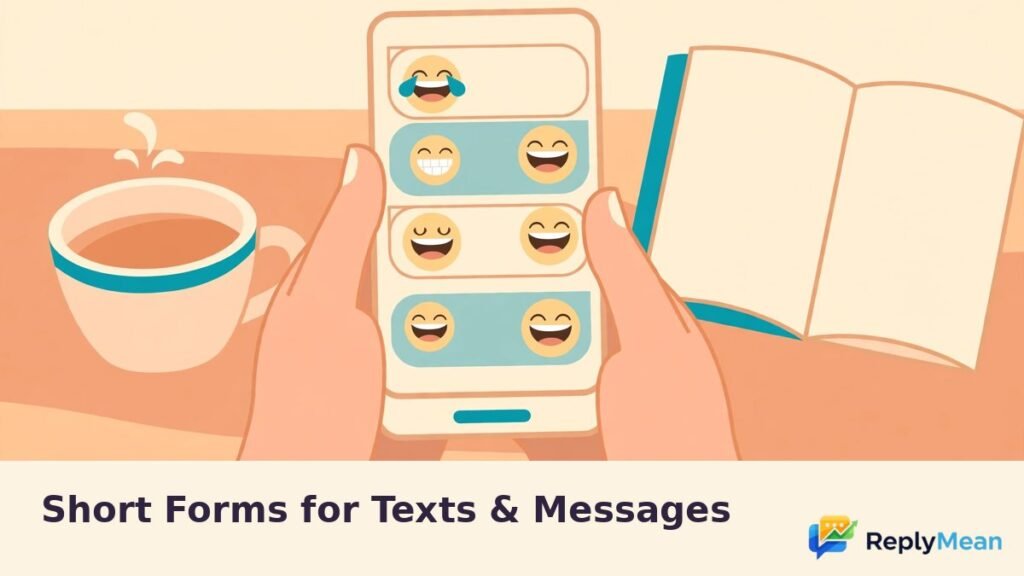
Short Forms for Texts & Messages
Most of these names are not spoken in speeches at all; they are typed at walking speed into chats, captions and comments. The short forms keep the shelf and drop the ceremony — small enough for a caption, clear enough to be placed.
- “Buddy 🤝” — the doorstep form: the plain greeting, kept warm.
- “Dude 😎” — the anywhere form: one syllable, every feeling.
- “Homie 🏠” — the home-turf form: the shared past, in five letters.
- “Ace ⭐” — the top-rank form: praise, compressed.
- “Chief 👑” — the borrowed-rank form: the crown, worn for one line.
- “Bruv 🇬🇧” — the borrowed-accent form: brother, London cut.
- “Brosef 🤪” — the stretched form: the joke, kept whole.
- “Big guy 💪” — the gentle-giant form: the ribbing, with the heart showing.
- “Amigo 🎉” — the borrowed form: sunshine, typed fast.
- “Sidekick 🦸” — the second-chair form: loyalty, in one word.
Frequently Asked Questions
What is the funniest alternative to “bro”?
The remix shelf carries the comedy: “brosef”, “homeskillet” and “amigo mío” claim nothing but fun. The funniest of the three is the one the friendship’s own jokes have already warmed up — an in-joke name beats a borrowed one.
What is the difference between “homie” and “homeboy”?
Length and volume. “Homie” is the everyday crew greeting — the home ground claimed lightly. “Homeboy” is the same claim at full length: prouder, louder, and saved for friends whose shared map is beyond dispute.
Can “bro” names be used for women friends?
Many are, daily — “dude”, “mate” and “buddy” run gender-free in plenty of chats. The room decides: where the friendship already trades them, they land as warmth; where it does not, the everyday shelf is the safe start.
What is the most respectful name for a male friend?
“Chap” for charm, “chief” for playful respect, “brother” for the real thing. Respect lives in the match: a name that claims exactly the bond shared — no grander, no smaller — is the one that honours the friend.
Is “bro” still fine to use?
Yes — it is the plain default, and nobody is marked down for it. The alternatives earn their place when the bond matters: family to claim, a past to cite, a rank to lend or a joke to land.
Conclusion
The twenty-five are one greeting described five ways. Sort funny ways to say bro by the bond each name claims — everyday, kin, crew, title or remix — and the greeting stops being a reflex.
Underneath every shelf sits the same small discipline: claim exactly the bond that exists, no deeper and no wider. The dictionary keeps a warm little entry for buddy — the doorstep name half the set leans on — and the names worth sending respect the bond and the friend alike.