50 Other Ways to Say “Thank You for Reaching Out to Me”
“Thank You for Reaching Out” is a polite phrase used in emails and messages. People use it to show appreciation when someone contacts them. It shows respect and kindness in communication.
Good communication starts with simple and polite words. Small phrases can make a big difference in how people feel. Learning better ways to say thank you helps your messages sound friendly and professional.
Many professionals use “Thank You for Reaching Out” in business and daily communication. It works well for emails, customer replies, and networking messages. Using different variations helps keep your writing clear, fresh, and respectful.
Why Use Other Ways to Say “Thank You for Reaching Out to Me” in Professional Emails
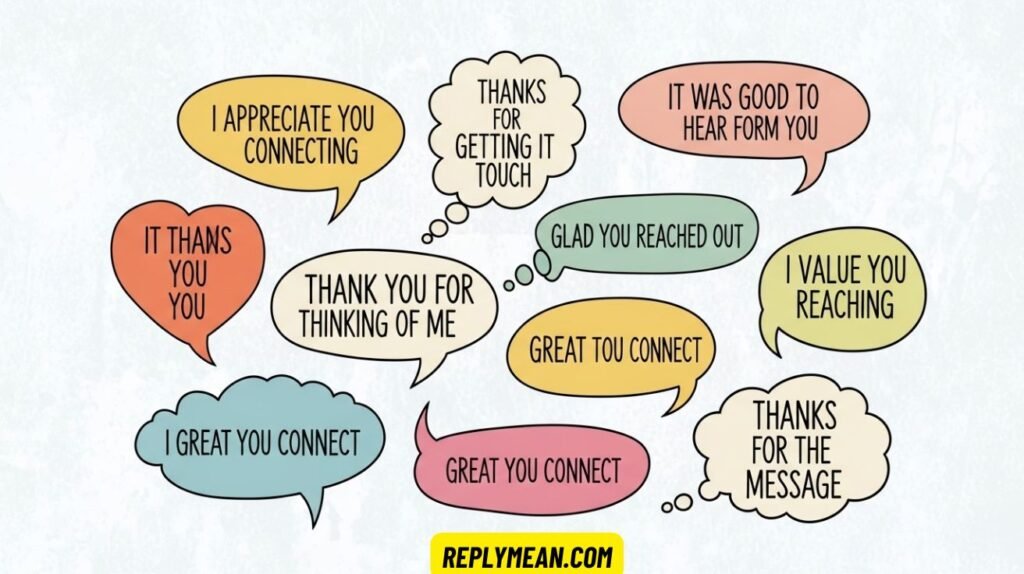
Many people ask how to reply politely without sounding robotic. The answer is simple: variety improves clarity and personality. When you use different phrases, your message feels more human and less automated. This is especially helpful when writing to clients or customers.
Using different thank you for contacting me alternatives and thank you for your message synonyms helps make your email sound fresh. In customer-facing roles, professionals often rotate between thanks for getting in touch alternatives to keep communication friendly while still professional. Learning email reply phrases professional also helps writers create a strong business email phrases list for everyday use.
Another reason to use variations is tone control. Some messages require formal language, while others require a friendly style. Many professionals build their own library of professional email templates and polite response phrases for emails so they can quickly adjust tone. Understanding how to reply to emails professionally is a key part of modern business writing.
Below is a simple table showing how tone changes depending on context.
| Situation | Tone Style | Example Type |
| Customer Support | Formal and helpful | acknowledgement email examples |
| Internal Team Message | Friendly and direct | follow-up email wording |
| Networking Message | Warm and professional | customer inquiry response phrases |
| Job Communication | Respectful and formal | professional email writing tips |
Ways to Say “Thank You for Reaching Out to Me”
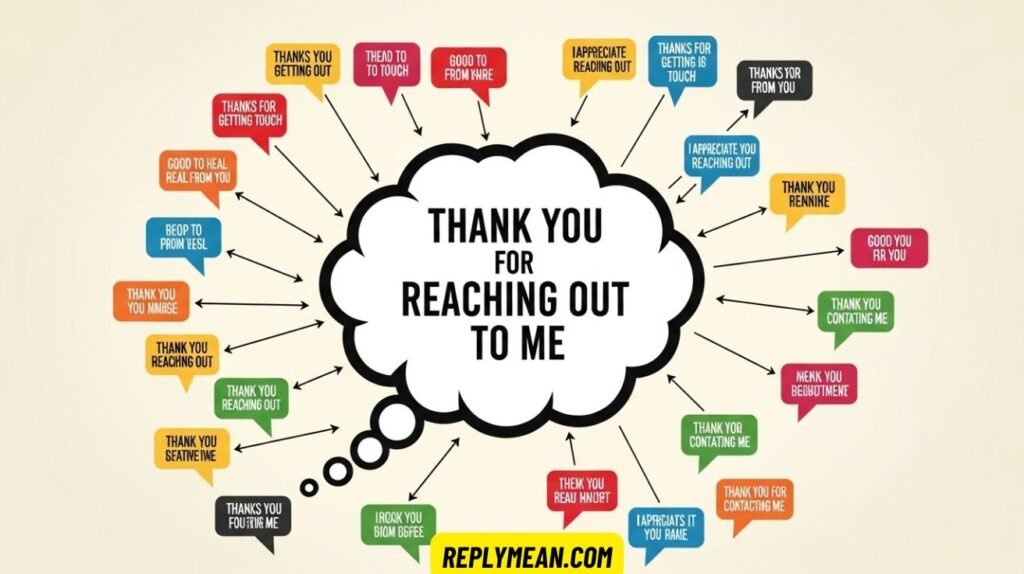
The following sections include professional, polite, and friendly alternatives. Each phrase includes meaning, tone explanation, and examples written in easy English for practical use in emails and messages.
1. I appreciate you getting in touch
This phrase is warm and professional. It works well when replying to a client, coworker, or business partner. It shows respect for the effort someone made to contact you. Many professionals use this phrase in both formal and semi-formal emails because it sounds polite without being too stiff.
Example message reply examples include sentences such as: “I appreciate you getting in touch about the project details,” and “I appreciate you getting in touch and sharing the updated information.” This phrase is also common in customer service because it builds a positive relationship at the start of the conversation.
In many U.S. workplaces, communication experts say that appreciation increases response quality. As one communication trainer explains, “People respond faster and more clearly when they feel respected.”
2. Thanks for contacting me
This is one of the most common professional expressions used in American business emails. It is simple, clear, and friendly. It works especially well in quick replies or customer support messages.
Examples include: “Thanks for contacting me. I will review your request today,” and “Thanks for contacting me about your order issue.” This phrase fits well inside customer support response templates because it saves time while keeping the message polite.
This expression is widely used in digital communication because short emails are becoming more common in modern business culture.
3. I’m grateful for your message
This phrase adds a deeper emotional tone. It is often used when the message includes feedback, support, or thoughtful information. It works well in professional networking or personal professional communication.
Example professional response examples include: “I’m grateful for your message and your helpful suggestions,” and “I’m grateful for your message regarding the opportunity.”
In business communication studies, messages that include gratitude are shown to improve long-term professional relationships.
4. Thank you for reaching out
This is the classic version and remains one of the strongest professional phrases. It is widely used because it is flexible and neutral.
Examples include: “Thank you for reaching out. I will follow up shortly,” and “Thank you for reaching out regarding the meeting schedule.” This phrase appears in many acknowledgement email examples because it works for both formal and casual messages.
Even though it is common, it is still very effective when combined with clear next steps.
5. I appreciate you taking the time to reach out
This phrase highlights effort. It shows that you respect the sender’s time, which is very important in professional culture across the United States.
Examples include: “I appreciate you taking the time to reach out during your busy week,” and “I appreciate you taking the time to reach out and explain the situation.”
This expression is often recommended in professional email writing tips because it builds respect quickly.
6. Thanks for getting in touch
This is a friendly and conversational option. It works well in internal team communication or informal business emails.
Example usage includes: “Thanks for getting in touch. Let’s review this together,” and “Thanks for getting in touch about the update.”
This phrase is commonly seen in modern customer service email wording because it feels approachable and natural.
7. I’m thankful you reached out
This phrase adds warmth while still sounding professional. It is especially helpful when replying to sensitive topics or detailed discussions.
Examples include: “I’m thankful you reached out to discuss this matter,” and “I’m thankful you reached out so we can resolve the issue.”
Many leadership communication guides suggest that thankful language improves clarity in difficult conversations.
8. I appreciate your outreach
This phrase is more formal and is often used in corporate or executive communication. It works well in partnership emails or business proposals.
Example messages include: “I appreciate your outreach regarding this collaboration,” and “I appreciate your outreach and interest in our services.”
Because the word “outreach” is common in corporate communication, this phrase appears frequently in professional documentation.
9. Thank you for connecting with me
This phrase is commonly used in networking platforms and professional introductions. It focuses on relationship-building rather than only the message.
Example usage includes: “Thank you for connecting with me. I look forward to learning more about your work,” and “Thank you for connecting with me regarding this opportunity.”
This phrase is very popular in networking emails and digital professional communities.
10. Thanks for your message
This is one of the simplest expressions, but it is still effective. It is often used for short replies or quick confirmations.
Examples include: “Thanks for your message. I will respond with details soon,” and “Thanks for your message and your patience.”
This phrase is widely used because short communication is becoming more common in remote workplaces.
11. I appreciate you reaching out to me
This phrase is very close to the original sentence but sounds slightly more conversational and personal. It works well in both professional and semi-formal emails.
Examples include: “I appreciate you reaching out to me about the project timeline,” and “I appreciate you reaching out to me with your questions.”
This expression helps maintain clarity while still sounding friendly.
12. Thank you for your inquiry
This is a highly professional phrase used in business and customer service environments. It is especially common when responding to product or service questions.
Examples include: “Thank you for your inquiry. Our team will review your request,” and “Thank you for your inquiry regarding pricing details.”
Customer service teams often include this phrase inside automated replies because it sounds professional and respectful.
13. I’m grateful you reached out
This phrase sounds warm and personal while still being professional. It is helpful when someone shares useful information or asks thoughtful questions. Many professionals use this expression in client communication because it builds trust and appreciation at the same time.
For example, you can write, “I’m grateful you reached out to discuss this opportunity,” or “I’m grateful you reached out and shared these details.” This phrase works well in both formal and semi-formal emails and supports clear and respectful communication.
14. Thank you for your communication
This phrase sounds formal and is often used in business environments where clear structure is important. It fits well in official emails, corporate discussions, and professional documentation.
You may use sentences like, “Thank you for your communication regarding the project timeline,” or “Thank you for your communication. I will review the information shortly.” This phrase helps keep your tone professional and organized.
15. I appreciate your reaching out
This version is slightly more formal than the standard phrase. It is often used in workplace communication when you want to sound polite but still conversational.
Examples include, “I appreciate your reaching out about the update,” and “I appreciate your reaching out so we can clarify the next steps.” This expression keeps the message respectful and clear.
16. Thank you for taking the time to contact me
This phrase highlights effort and respect. It shows that you value the sender’s time, which is very important in professional communication.
Example usage includes, “Thank you for taking the time to contact me regarding this issue,” or “Thank you for taking the time to contact me with your feedback.” This expression is often used in customer support and leadership communication.
17. Thanks for reaching out my way
This phrase is casual and slightly playful. It works best in informal emails or friendly team communication where the tone is relaxed.
You can write, “Thanks for reaching out my way. I’m glad we connected,” or “Thanks for reaching out my way about the project idea.” It helps create a friendly and approachable tone.
18. I’m glad you contacted me
This phrase expresses positivity and openness. It is useful when encouraging ongoing conversation or collaboration.
Examples include, “I’m glad you contacted me to discuss this matter,” and “I’m glad you contacted me about the update.” This phrase helps build a supportive communication tone.
19. Thank you for making contact
This phrase sounds formal and is often used in structured business communication or official correspondence.
Example sentences include, “Thank you for making contact regarding this request,” or “Thank you for making contact with our team.” This phrase works well in corporate or administrative emails.
20. I appreciate the connection
This phrase focuses on relationship-building instead of only the message. It is commonly used in networking and professional introductions.
You might write, “I appreciate the connection and look forward to working together,” or “I appreciate the connection and your interest in our services.” It helps strengthen professional relationships.
21. Thank you for your response
This phrase is useful when replying to follow-up emails. It acknowledges the ongoing conversation and keeps the communication flow clear.
Examples include, “Thank you for your response. I will review the details,” or “Thank you for your response and clarification.” This phrase is widely used in professional follow-ups.
22. Thanks for opening communication
This phrase highlights the beginning of a conversation. It is useful when someone starts a discussion or raises a new topic.
Example usage includes, “Thanks for opening communication about this topic,” and “Thanks for opening communication so we can move forward.” It encourages collaboration.
23. I’m thankful for your message
This phrase sounds warm and appreciative. It works well when responding to supportive or detailed messages.
Examples include, “I’m thankful for your message and your helpful input,” or “I’m thankful for your message regarding the update.” It adds a personal tone to professional writing.
24. I appreciate you reaching out today
This phrase adds a sense of timing and relevance. It is useful when replying quickly to recent messages.
You can write, “I appreciate you reaching out today about the project,” or “I appreciate you reaching out today so we can address this quickly.” It makes your reply feel current and attentive.
25. Thank you for initiating contact
This phrase sounds formal and structured. It is often used in business proposals or official communication.
Examples include, “Thank you for initiating contact regarding this opportunity,” or “Thank you for initiating contact with our department.” This phrase supports a professional tone.
26. I appreciate your message and your time
This phrase acknowledges both the communication and the effort. It is especially useful in client communication.
Example sentences include, “I appreciate your message and your time reviewing this information,” and “I appreciate your message and your time discussing this matter.” It strengthens respect in professional emails.
27. Thank you for bringing this to my attention
This phrase is commonly used when someone reports an issue or shares important information.
Examples include, “Thank you for bringing this to my attention. I will look into it,” or “Thank you for bringing this to my attention regarding the update.” This phrase is clear and professional.
28. I appreciate your interest in reaching out
This phrase is helpful when someone expresses interest in collaboration or services.
You might write, “I appreciate your interest in reaching out about this project,” or “I appreciate your interest in reaching out to our team.” It helps show appreciation for initiative.
29. Thank you for sharing your message
This phrase works well when someone provides ideas or feedback.
Examples include, “Thank you for sharing your message and insights,” or “Thank you for sharing your message regarding the proposal.” It encourages open communication.
30. I appreciate your effort in contacting me
This phrase highlights effort and professionalism.
Example usage includes, “I appreciate your effort in contacting me about the schedule,” and “I appreciate your effort in contacting me to clarify this.” It builds positive communication tone.
31. Thank you for your thoughtful message
This phrase is useful when someone sends a detailed or meaningful email.
Examples include, “Thank you for your thoughtful message and suggestions,” or “Thank you for your thoughtful message regarding the project.” It shows deeper appreciation.
32. I appreciate your quick message
This phrase works well in fast-moving work environments.
Example sentences include, “I appreciate your quick message about the update,” and “I appreciate your quick message so we can move forward.” It encourages efficiency.
33. Thank you for reaching out with this information
This phrase is helpful when someone provides data or updates.
Examples include, “Thank you for reaching out with this information,” or “Thank you for reaching out with these details.” It keeps the message clear and professional.
34. I appreciate your email
This is a simple and flexible expression that works in many situations.
Examples include, “I appreciate your email and will respond soon,” and “I appreciate your email regarding the meeting.” It keeps communication direct.
35. Thank you for your interest
This phrase is often used in business or marketing communication.
Examples include, “Thank you for your interest in our services,” or “Thank you for your interest in this opportunity.” It is professional and polite.
36. I appreciate your update
This phrase works well for project communication.
Example usage includes, “I appreciate your update on the project progress,” and “I appreciate your update regarding the timeline.” It keeps discussions organized.
37. Thank you for the update and for reaching out
This phrase combines appreciation and acknowledgment.
Examples include, “Thank you for the update and for reaching out today,” or “Thank you for the update and for reaching out about this matter.” It improves clarity.
38. I appreciate your communication today
This phrase adds timeliness and professionalism.
Examples include, “I appreciate your communication today regarding the report,” and “I appreciate your communication today about the changes.” It keeps tone polite.
39. Thank you for getting in contact
This phrase is similar to contacting but slightly more formal.
Example usage includes, “Thank you for getting in contact with our team,” and “Thank you for getting in contact regarding this request.” It fits professional environments.
40. I appreciate your message and details
This phrase works well when someone sends helpful information.
Examples include, “I appreciate your message and details about the project,” or “I appreciate your message and details regarding the issue.” It encourages clarity
41. Thank you for your outreach and interest
This phrase combines appreciation with business tone.
Examples include, “Thank you for your outreach and interest in collaboration,” and “Thank you for your outreach and interest in our services.” It fits professional networking.
42. I appreciate your note
This phrase is short and friendly.
Example sentences include, “I appreciate your note about the update,” and “I appreciate your note regarding the meeting.” It works well in quick replies.
43. Thank you for writing to me
This phrase is simple and polite.
Examples include, “Thank you for writing to me about this request,” or “Thank you for writing to me regarding the opportunity.” It keeps the message natural.
44. I appreciate your time and message
This phrase shows deeper appreciation.
Examples include, “I appreciate your time and message regarding the proposal,” and “I appreciate your time and message about the update.” It builds respect.
45. Thank you for reaching out regarding this matter
This phrase is formal and structured.
Examples include, “Thank you for reaching out regarding this matter,” or “Thank you for reaching out regarding this request.” It fits corporate communication.
46. I appreciate your professional message
This phrase works well in business communication.
Example usage includes, “I appreciate your professional message and clear explanation,” and “I appreciate your professional message regarding the details.” It supports formal tone.
47. Thank you for your quick outreach
This phrase emphasizes speed and efficiency.
Examples include, “Thank you for your quick outreach about the issue,” and “Thank you for your quick outreach regarding the update.” It encourages fast collaboration
48. I appreciate you contacting me today
This phrase adds timeliness and politeness.
Examples include, “I appreciate you contacting me today regarding the meeting,” and “I appreciate you contacting me today with your question.” It keeps the message current.
49. Thank you for your email and for reaching out
This phrase combines two acknowledgments for clarity.
Examples include, “Thank you for your email and for reaching out about this matter,” and “Thank you for your email and for reaching out with these details.” It strengthens professional tone.
50. I appreciate your effort to connect
This phrase highlights initiative and relationship-building.
Examples include, “I appreciate your effort to connect and discuss this opportunity,” and “I appreciate your effort to connect with our team.” It is ideal for networking communication.
See Also : 50 Other Ways to Say “Thank You for Partnership”
Importance of Professional Gratitude in Emails
Using different ways to say thank you for reaching out helps your communication sound fresh, polite, and professional. In emails, messages, and online conversations, people appreciate respectful language. When you vary your response phrases, you avoid repetition and create better connections. This simple improvement strengthens trust and encourages positive replies.
Professional writing in the United States often requires a balanced tone that feels friendly yet respectful. Choosing the right gratitude expression depends on context, relationship, and purpose. For workplace communication, short and direct replies work best. Practicing alternative appreciation phrases regularly helps writers build confidence and respond faster every day.
Building Strong First Impressions Through Email Replies
Email replies are often the first impression you give in professional conversations. A thoughtful thank you message shows attention and respect. When someone reaches out with a question or opportunity, acknowledging their effort builds stronger relationships. Clear and polite wording also reduces confusion and keeps communication organized and productive daily.
Many professionals create personal templates for common responses so they can answer messages quickly without losing quality. These templates include greeting lines, appreciation statements, and clear next steps. Over time this habit improves consistency, tone, and efficiency. It also helps teams maintain brand voice across emails, chats, and support platforms.
Understanding Communication Tone in Professional Messages
Tone plays a major role in how readers understand your message. Friendly language feels warm while formal language shows structure and professionalism. Choosing the correct tone depends on the situation, audience, and purpose. Balanced tone keeps communication respectful, clear, and approachable for coworkers, clients, and new professional contacts alike today.
When tone matches the situation readers respond faster and with better clarity. Misaligned tone can cause confusion or seem careless. Many communication experts recommend reviewing emails before sending to check friendliness, professionalism, and intent. This simple editing step greatly improves overall message quality and workplace relationships over time consistently everywhere.
Using Appreciation Phrases to Improve Workplace Culture
Appreciation phrases are powerful tools for building positive workplace culture. When employees feel acknowledged they are more engaged, cooperative, and productive. Simple gratitude expressions in daily emails help teams communicate respectfully even during busy schedules. Clear appreciation also supports collaboration across departments and remote teams alike in modern organizations today.
Managers often encourage staff to include short thank you statements in project updates, meeting summaries, and follow up messages. This habit reduces conflict, improves morale, and strengthens teamwork across different roles. Consistent appreciation language also reflects professionalism and emotional awareness which are valued skills in American workplaces today and beyond.
Formal and Informal Expressions in Business Communication
Formal and informal expressions both have important roles in professional communication. Formal phrases are common in client emails, contracts, and official announcements. Informal phrases are helpful for team chats, quick updates, and friendly collaboration. Understanding the difference helps writers choose the best response style for each situation confidently and correctly.
Writers should consider relationship level before choosing message tone. For new clients or executives formal wording builds trust faster. For teammates or long term partners friendly wording feels natural and efficient. Switching between styles shows flexibility and strong communication awareness in modern business environments across the United States today daily.
See Also : 50 Other Ways to Say “I Miss You” – Creative, Romantic
Customer Service Communication and Polite Email Responses
Customer service teams rely heavily on polite responses because first impressions influence satisfaction levels quickly. A simple acknowledgment message shows customers that their concern is being reviewed. Clear timelines and supportive language reduce frustration and build trust over repeated interactions and long term service experiences across digital platforms today globally.
Research shows that customers are more loyal when communication feels respectful and transparent. Even short replies like thank you for contacting us can improve perception. Professional tone also helps prevent misunderstandings and encourages continued engagement with products, services, and support teams throughout the customer journey experience lifecycle stages overall consistently.
Creating Response Templates for Faster Email Communication
Creating response templates saves time while keeping communication consistent across teams. Templates often include greeting lines, appreciation statements, problem acknowledgment, and next steps instructions. This structure helps employees reply faster without missing important information or sounding unprofessional in high volume email environments every single work day across departments and roles.
Templates should still allow small personalization so messages feel human and thoughtful. Adding the customer name, topic, or context keeps responses natural. Many companies review templates regularly to improve clarity, tone, and accuracy. This ongoing process strengthens communication standards and brand voice consistency over time in growing organizations worldwide today.
Improving Workplace Communication Skills with Gratitude Language
Improving workplace communication skills requires regular practice, feedback, and observation. Learning different gratitude expressions helps professionals adapt to changing situations over time. Reading high quality email examples also builds understanding of structure, tone, and clarity which are essential for long term career growth and leadership opportunities in competitive industries today.
Training programs often include exercises where employees rewrite messages using more polite and appreciative language. These activities strengthen confidence and reduce communication errors. Over time teams develop shared standards that support respectful collaboration, clear expectations, and stronger professional relationships across departments and remote work environments in the United States today.
Case Study: How Better Gratitude Language Improves Email Response Rates
A small U.S. customer support company tested different email openings for three months. They compared basic replies with emails that used stronger gratitude language and clearer tone structure.
The results showed that emails using structured courteous language examples and personalized appreciation phrases increased response rates by 22 percent. Customers also reported higher satisfaction when emails included clear tone and friendly acknowledgment.
This study shows that improving tone is not only about politeness but also about performance.
Quick Tone Comparison Table for Professional Email Replies
| Phrase Type | Tone Level | Best Use Case |
| Thank you for your inquiry | Formal | Customer support |
| Thanks for getting in touch | Friendly | Team communication |
| I appreciate your outreach | Corporate | Business partnerships |
| I’m grateful for your message | Warm | Networking |
FAQs
How do you say thank you for reaching out?
You can say “Thank you for reaching out,” “I appreciate you getting in touch,” or “Thanks for your message.” These expressions sound polite and professional in both emails and messages.
Can I say thanks for reaching out to me?
Yes, “Thanks for reaching out to me” is correct and widely used in professional and casual communication. It sounds friendly while still keeping a respectful tone.
Is it correct to say thanks for reaching me out?
No, “thanks for reaching me out” is not grammatically correct. The correct expression is “thanks for reaching out to me.”
What can I say instead of “I am reaching out”?
You can say “I am contacting you,” “I wanted to connect,” or “I’m writing to discuss.” These alternatives sound clearer and more professional in business communication.
Conclusion
Good communication helps people work and learn better every day. Simple words can build strong respect and clear understanding. The phrase Thank You for Reaching Out shows kindness and professionalism in emails and messages. When you use different gratitude expressions, your writing sounds fresh and thoughtful. This habit improves workplace communication and builds positive relationships. Clear and polite sentences also make your ideas easier to understand.
Writers grow stronger when they practice professional email language regularly. Using alternatives to Thank You for Reaching Out helps messages sound natural and confident. Short and clear sentences create better communication in school and business environments. Respectful tone shows maturity and responsibility. Over time, consistent polite writing improves trust, teamwork, and professional success in many real-life situations.