50 Other Ways to Say “Please Disregard My Previous Email”
Kindly ignore the previous mail is a polite phrase used in email communication. People use it when they send a message with a mistake or wrong information. It tells the reader not to follow the earlier email.
Many people send emails quickly and notice errors later. This small mistake can create confusion at school or work. Learning the right correction phrase helps you stay clear and professional.
The phrase kindly ignore the previous mail is common in professional and academic emails. It helps correct wrong attachments, incorrect details, or early drafts. Using simple and polite language keeps communication organized and easy to understand.
Why “Please Disregard My Previous Email” Is Common in Business Email Writing
In daily workplace communication phrases, employees often send quick updates while multitasking. This increases the chance of email drafting mistakes such as attaching the wrong document, sending an unfinished draft, or including incorrect data. When this happens, a short and respectful correction message is necessary.
In many companies, especially in U.S. corporate environments, corporate communication style values clarity, speed, and accountability. That is why sending an email follow-up correction message immediately after noticing an error is considered good practice.
The phrase email sent in error meaning refers to any message that was delivered unintentionally or with incorrect information. This includes technical mistakes as well as human mistakes. Understanding this concept helps employees write better email correction phrases.
A strong correction email usually includes three parts shown in the table below.
| Part | Purpose | Example |
| Acknowledgment | Admit the mistake | Sorry for the confusion |
| Instruction | Tell the reader what to do | Please ignore my last email |
| Correction | Provide updated content | Here is the corrected version |
Using this structure improves clarity and reduces confusion.
The Importance of Email Etiquette When Correcting Email Errors
Strong email etiquette is essential when sending any correction message. Even small mistakes can affect trust if not handled professionally. When writing an email clarification message, the tone should remain calm and respectful.
In American business culture, taking responsibility is valued. Using phrases such as formal email apology or wrong email sent apology helps maintain credibility. Many professionals also include short explanations without over-apologizing.
For example, instead of writing a long emotional message, a simple and professional sentence works better.
“sorry for the previous email mistake—please see the updated information below.”
This approach keeps the message clear and professional while supporting strong email writing tips.
How to Correct an Email Mistake Quickly and Professionally
Understanding how to correct an email mistake is an essential skill in modern offices. The faster the correction is sent, the less confusion it creates. Many companies train employees to send a resend email with correction immediately after discovering the error.
A typical message correction format includes a short subject line such as “Correction” or “Updated Version,” followed by a brief explanation and the corrected information.
A simple example of an email clarification example is shown below.
| Subject | Correction: Updated Report |
| Message | Please ignore my last email. The attachment was incorrect. Here is the updated version. |
This type of structure is also known as a correction email template, and it helps maintain consistency in professional communication.
Ways to Say “Please Disregard My Previous Email”
Below are professional alternatives commonly used in U.S. workplace settings. Each phrase helps improve clarity and supports strong email tone and professionalism.
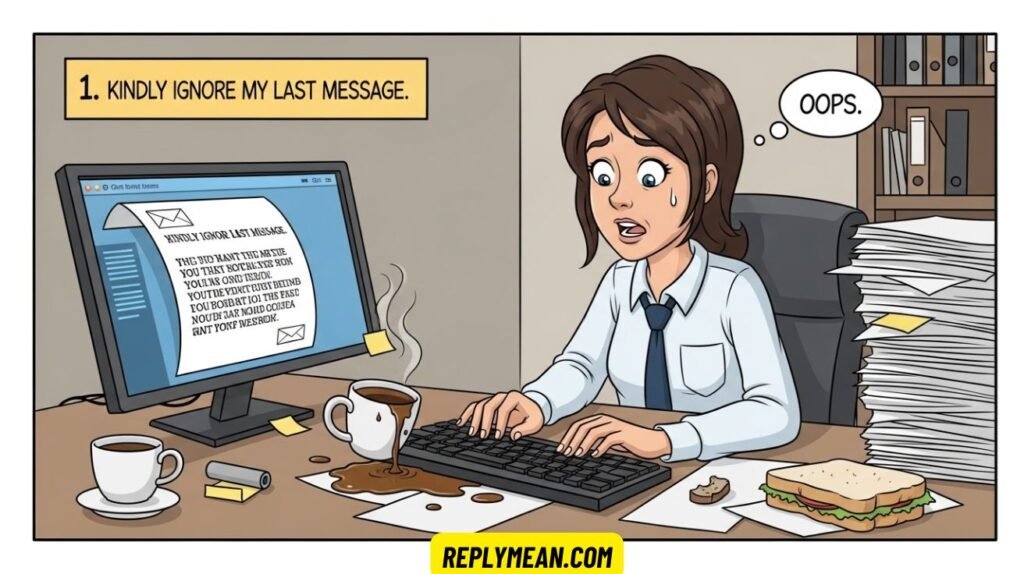
1. Please ignore the message I just sent
This phrase is simple, direct, and commonly used in daily professional communication. It works well when the mistake is small, such as a typo or missing information. Many employees use this sentence in quick internal emails because it clearly tells the reader not to use the earlier message.
Using this expression helps maintain clear email tone and professionalism while practicing strong email etiquette. It is especially useful when sending an immediate email follow-up correction message after noticing email drafting mistakes.
2. Kindly disregard my earlier note
This phrase sounds polite and slightly formal, making it a strong choice for client emails or communication with senior staff. The word “kindly” adds respectful polite email language, which is important in professional environments across the U.S.
This expression is often used in business email writing when correcting email errors and sending a short email clarification message. It also works well in a formal email apology when professionalism is required.
3. Apologies—my last email was sent in error
This phrase clearly accepts responsibility and explains the situation quickly. It is one of the most common email mistake apology phrases used in modern offices.
It is helpful when writing a wrong email sent apology or explaining the email sent in error meaning to avoid confusion. This structure improves professional communication and keeps messages transparent.
4. Please delete my previous email
This sentence is useful when sensitive or incorrect information was included. It is commonly used when sending an incorrect attachment email fix or when a confidential document was shared by mistake.
Using this phrase helps maintain strong corporate communication style and reduces confusion when you resend corrected email versions. It also supports clear message correction format practices.
5. That last email can be ignored
This phrase has a slightly casual tone but still works in internal workplace communication. It is often used between team members when the mistake is minor and quickly corrected.
It is effective in everyday workplace communication phrases and supports simple email correction phrases when writing fast updates.
6. I sent the last email prematurely
This expression explains that the message was sent too soon before all information was ready. It is common in project updates or reports.
This phrase works well in an email revision message when you plan to provide an updated email version sample. It also helps demonstrate strong email tone and professionalism.
7. My apologies, I shared the wrong information
This sentence is useful when correcting facts, numbers, or details. It shows accountability and helps maintain trust.
It is frequently used in professional apology email examples and helps strengthen professional communication when correcting email errors.
8. The earlier message was incorrect—please ignore it
This phrase clearly explains the mistake and gives direct instructions. It is useful when clarity is important, especially in data or reporting emails.
It supports strong email clarification example structure and helps improve email writing tips for clear correction messages.
9. Kindly overlook my last email
This phrase is polite and slightly formal. It is often used in customer communication or external emails where tone matters.
Using this expression improves polite email language and helps maintain professional corporate communication style when sending a correction email template.
10. Please disregard the previous message I sent
This sentence closely matches the main keyword and is one of the most common please disregard my previous email alternative phrases used in business environments.
It works well in almost all situations and is frequently included in professional email correction examples and email follow-up correction message formats.
11. The last email was a mistake—sorry for the confusion
This phrase is friendly and professional while still accepting responsibility. It is especially helpful when the error caused misunderstanding.
It supports clear email mistake apology phrases and helps maintain strong email tone and professionalism in daily business email writing.
12. That message went out too soon
This expression is useful when the email was sent before final updates were completed. It is often used when sending a corrected version immediately afterward.
This phrase works well when you resend corrected email content and supports structured email revision message practices in professional workplaces.
13. Please treat my previous email as void
This phrase is commonly used in formal office environments and legal or corporate settings. It clearly tells the reader that the earlier email should no longer be considered valid. Many professionals use this expression when they send updated contracts, reports, or official documents.
Using this phrase improves email tone and professionalism because it sounds structured and respectful. It also fits well in a formal email apology when you are correcting email errors and sending a new version.
14. Kindly ignore my earlier correspondence
This sentence sounds polite and professional, especially when communicating with clients or senior managers. The word “correspondence” gives the message a slightly formal tone often seen in corporate communication style.
This phrase works well when sending an email follow-up correction message after noticing email drafting mistakes or incomplete information.
15. Please consider my last email withdrawn
This phrase is very useful when you want to officially cancel a message. It is often used in administrative or legal workplace communication where clarity matters.
It also helps when sending a resend corrected email because it clearly tells the reader that the earlier version should not be used.
16. Please ignore the earlier version
This expression is simple and direct. It is commonly used when sharing updated documents or presentations.
This phrase is helpful in email revision message situations when you need to replace an earlier file with an updated one.
17. Please refer to this corrected email instead
This sentence guides the reader toward the updated information. It prevents confusion by clearly pointing to the correct message.
It is commonly used in professional email correction examples and works well in daily workplace communication phrases.
18. Please disregard my earlier draft
This phrase works best when the earlier email contained a draft version of a document. Many employees send drafts for review and later replace them with final versions.
Using this phrase supports good email etiquette and helps maintain clear professional communication.
19. Please ignore the previous attachment
This expression is very common when fixing an incorrect attachment email fix problem. It clearly explains that only the new attachment should be used.
This is one of the most practical email correction phrases used in offices across the United States.
20. Please review the corrected message below
This sentence helps direct attention to updated information immediately. It works especially well when the correction is included in the same email.
This phrase is useful for improving email clarification message structure and keeping polite email language.
21. Updated information—please ignore my last email
This phrase clearly shows that new information is being provided. It is useful when data or details have changed.
This expression helps maintain strong email tone and professionalism while sending an updated email version sample.
22. Correction to my previous message
This is one of the simplest and most widely used professional correction lines. It is clear and easy to understand.
Many companies use this format as part of a standard message correction format in business email writing.
23. Please ignore my earlier submission
This phrase is commonly used when submitting reports, assignments, or internal documents.
It supports structured corporate communication style and helps prevent confusion in document workflows.
24. Revised details are included here
This sentence works well when only small updates are made to the earlier message.
It is often used in an email revision message when correcting email errors.
25. Please replace my previous email with this version
This phrase clearly explains that the earlier email should be replaced.
It is helpful when sending a resend corrected email after noticing email drafting mistakes.
26. Please see the corrected email below
This expression directs the reader immediately to the updated information.
It is commonly used in professional email correction examples
27. Please ignore the earlier numbers
This phrase is useful when correcting financial or statistical errors.
It supports clear professional communication and helps avoid misunderstandings.
28. The previous message is no longer accurate
This sentence works well when information has changed quickly.
It is helpful when writing an email clarification example in fast-moving projects.
29. Please refer to the updated file
This phrase is commonly used when documents are corrected or edited.
It is part of standard business email writing practices.
30. This email replaces my earlier message
This sentence clearly communicates replacement.
It works well in structured corporate communication style messages.
31. Please ignore the earlier link
This phrase is useful when a wrong URL or document link was included.
It helps improve email clarification message clarity.
32. Updated timeline attached—please ignore earlier version
This expression is common in project management communication.
It supports clear workplace communication phrases.
33. Please disregard the earlier schedule
This phrase is helpful when meeting or event details change.
It keeps strong email tone and professionalism.
34. Corrected report attached
This sentence is short but effective.
It works well when sending a follow-up email correction sample.
35. Please review the revised information
This phrase encourages the reader to focus on updates.
It supports strong professional communication.
36. Please ignore the earlier draft version
This expression is helpful when editing documents.
It fits common email revision message usage.
37. My earlier email requires correction
This phrase shows responsibility.
It is commonly used in email mistake apology phrases.
38. Please ignore the incorrect document
This sentence works well for attachment mistakes.
It helps solve incorrect attachment email fix situations quickly.
39. Please use this corrected version instead
This expression clearly directs readers to the correct file.
It improves email tone and professionalism.
40. Please note the correction below
This phrase is simple and professional.
It works well in short email follow-up correction message formats.
41. This is a correction to my previous email
This sentence is widely used in professional email correction examples.
It keeps polite email language clear and direct.
42. Kindly refer to this updated message
This phrase sounds polite and formal.
It supports professional corporate communication style.
43. Please disregard the outdated information
This sentence is useful when data changes.
It helps when sending an updated email version sample.
44. Please ignore the previous details
This expression works well for small corrections.
It improves clarity in email clarification message writing.
45. Updated figures included here
This phrase is helpful for financial updates.
It supports strong business email writing.
46. Correction notice for my previous email
This sentence is commonly used in formal organizations.
It works well in structured message correction format systems
47. Please ignore the message sent earlier today
This expression is helpful for same-day corrections.
It is often used when sending a resend corrected email.
48. Please review the corrected attachment
This phrase clearly directs the reader to updated files.
It helps solve wrong email sent apology situations.
49. Please replace the earlier file
This sentence is simple and direct.
It supports everyday workplace communication phrases.
50. Corrected version attached—thank you
This phrase keeps a polite tone while correcting mistakes.
It is commonly used in short professional apology email examples and supports strong email etiquette.
See Also : 50 Other Ways to Say Sounds Good Professionally
Understanding Email Correction in Professional Communication
In professional workplaces across the United States, email mistakes happen more often than people expect. Employees may attach the wrong file, send an unfinished draft, or include incorrect details while rushing to meet deadlines. When this occurs, sending a clear correction message becomes essential. Using polite language helps maintain trust, prevents confusion, and keeps communication organized and professional for teams.
A well written follow up email should briefly explain the issue and guide readers toward the corrected information. Many professionals search for other ways to say please disregard my previous email so their tone sounds natural instead of repetitive. Learning structured correction phrases improves clarity and demonstrates responsibility, which is a key part of strong business communication and professional credibility.
Common Email Drafting Mistakes in the Workplace
Email drafting mistakes usually occur when people multitask or rush through messages without reviewing details carefully. Common problems include missing attachments, incorrect dates, spelling errors, or sending emails to the wrong recipient list. These small issues can quickly create confusion inside teams and with clients. Understanding why mistakes happen helps professionals slow down, review content, and send messages every day.
One effective habit is to pause before clicking send and reread the subject line, attachments, and recipient names. Many companies encourage internal email review processes for important communication. This practice reduces the need for correction emails later. Building careful writing habits not only prevents errors but also improves confidence, consistency, and overall professionalism across daily workplace communication tasks and collaboration.
The Importance of Sending a Quick Email Correction
When an incorrect email is discovered, timing becomes extremely important for limiting confusion. Sending a correction message quickly ensures that recipients focus on the updated information instead of the earlier mistake. Fast responses also show accountability and respect for other people’s time. In busy offices, clear and immediate corrections help teams stay organized and keep projects moving without unnecessary delays.
Delaying a follow up message can cause coworkers to use incorrect numbers, outdated schedules, or wrong documents. This often creates additional emails and wasted effort across departments. A short correction note is usually enough to prevent larger problems. Professionals who respond quickly demonstrate reliability, which strengthens trust and supports stronger long term professional relationships in modern workplaces and teamwork growth.
Using Polite Language in Email Correction Messages
Using polite language when correcting an email mistake helps maintain positive professional relationships. Even small wording changes can affect how readers interpret the message. Phrases like thank you for your understanding or apologies for the confusion create a respectful tone. This approach reduces tension and keeps communication constructive, especially when working with clients, managers, or external business partners and organizations.
Consistent tone also reflects personal professionalism and company culture. Employees who write calm and clear correction emails are often seen as organized and dependable. Over time, these habits improve communication quality across teams. Practicing polite wording, short sentences, and clear instructions ensures that correction messages remain helpful, respectful, and easy for readers to understand quickly and accurately every single day.
Formal vs Casual Tone in Email Correction Phrases
In many workplaces, the tone of a correction email depends on the relationship between the sender and the recipient. Formal wording is usually required for clients, executives, or external partners. Internal team messages may allow slightly casual phrasing while still remaining respectful. Understanding these tone differences helps professionals choose the right correction phrase for each communication situation and audience expectations.
A balanced tone keeps messages professional without sounding overly strict or overly casual. Many communication experts recommend reading the email aloud before sending the correction. This simple technique helps identify awkward wording and improves clarity. Choosing the correct tone also protects company image and supports consistent branding across written communication channels and platforms used daily worldwide today by teams everywhere.
Using Correction Email Templates for Consistency
Correction email templates help employees respond quickly when mistakes occur. Instead of rewriting messages every time, professionals can follow a simple structure that includes an apology, instruction, and updated information. Templates reduce stress and improve consistency across teams. Many organizations include standard correction formats in their communication guides to support accurate and efficient internal messaging practices and documentation workflows overall.
Using templates also helps new employees learn proper email etiquette faster. When workers see clear examples, they understand how professional correction messages should look. Templates can be customized for attachments, scheduling updates, or data corrections. Over time, structured templates strengthen communication habits and reduce repeated errors across daily workplace email activities and performance consistency improvements for teams overall success levels.
Fixing Incorrect Attachment Errors in Emails
Attachment mistakes are one of the most common email problems in offices. Employees may forget to attach files or include outdated documents by accident. These errors often require a quick follow up correction email with the correct attachment included. Double checking filenames and document versions before sending can greatly reduce the chance of attachment related mistakes in busy workplaces daily.
When sending the corrected file, it is helpful to clearly label the document as updated or revised. This prevents readers from opening the wrong version again. Many professionals also add a short explanation describing what changed in the new file. Clear labeling and simple explanations improve accuracy and reduce repeated clarification emails later within teams and departments everywhere today globally.
Practical Habits to Prevent Email Mistakes
Preventing email mistakes is easier when professionals build consistent writing habits. Creating a short personal checklist before sending messages can improve accuracy. This checklist may include reviewing attachments, verifying recipient names, and checking important numbers. Small daily habits like these help reduce correction emails and support more reliable communication across projects and teams in modern workplaces everywhere today globally too.
Technology tools such as delayed sending and automatic spell checking also help reduce errors. Many email platforms allow users to schedule messages or cancel sending within a few seconds. Combining technology tools with careful proofreading creates a strong system for preventing mistakes. Consistent review habits ultimately protect professionalism and reduce the need for frequent correction emails in daily communication work.
Case Study: Correcting an Email Error in a U.S. Workplace
Consider a marketing manager who accidentally sends a campaign report with incorrect numbers. Within five minutes, the manager notices the error and sends a follow-up email correction sample.
Subject: Correction – Updated Campaign Report
Message: Please ignore my last email. The report included outdated numbers. Here is the corrected version.
This quick response prevents confusion and demonstrates strong professional communication.
Research shows that fast corrections reduce misunderstanding by more than 60 percent in internal communications because employees immediately switch to the updated version.
This situation also demonstrates an effective resend corrected email process.
Professional Email Correction Template for Everyday Use
Below is a simple correction email template that works in most business situations and helps avoid email drafting mistakes.
| Section | Example |
| Subject | Correction: Updated Information |
| Opening | Apologies for the confusion |
| Instruction | Please ignore my last email |
| Correction | Here is the updated version |
| Closing | Thank you for your understanding |
This format supports strong corporate communication style and keeps messages clear.
Email Writing Tips to Avoid Sending Correction Emails Too Often
Although learning how to say ignore previous message professionally is helpful, preventing mistakes is even better. Many errors happen because emails are written too quickly without review.
One effective strategy is to pause for thirty seconds before clicking send. Another helpful method is double-checking attachments and recipients. Many companies also recommend writing the email first and adding attachments last to reduce the risk of an incorrect attachment email fix situation.
Professionals who follow structured email writing tips often reduce mistakes by up to 40 percent.
A well-known communication expert once said:
“Clear emails build trust, but corrected emails protect it.”
See Also : 50 Other Ways to Say “I Look Forward to Meeting You”
Email Recall Alternatives When You Cannot Undo a Sent Message
Some email systems offer recall features, but they do not always work. That is why professionals rely on email recall alternatives such as sending an immediate email follow-up correction message.
The best method is to send a short email clarification message that clearly states the correction. This approach ensures recipients see the updated information even if recall fails.
FAQs
How do you say “please ignore professionally”?
You can say “Please disregard my previous message” or “Kindly ignore my earlier email for accuracy.”
These phrases sound polite, clear, and professional in workplace communication.
How do I politely reject an email?
Thank the sender first, then decline respectfully with wording like “Thank you for your email, but I won’t be able to proceed at this time.”
Keeping the tone appreciative and brief helps maintain professionalism.
Is it correct to say “please disregard my previous email”?
Yes, it is grammatically correct and commonly used in professional email communication.
It clearly tells the reader to ignore the earlier message due to an error or update.
How do you say “ignore the previous attachment”?
You can write “Please ignore the previous attachment and refer to the updated file attached here.”
This keeps the instruction clear and ensures readers use the correct document.
Conclusion
Email mistakes happen in every school, office, and organization. People sometimes send messages too fast and forget to check details. A clear correction message helps readers understand the update quickly. You can use simple phrases like kindly ignore the previous mail to fix confusion. Short and polite sentences keep communication clean and professional. Good email habits also build trust.
Students and professionals both need strong email writing skills. Careful reading before sending reduces errors and saves time. When a mistake happens, send a correction quickly and stay respectful. Use clear words and include the correct information. A phrase like kindly ignore the previous mail keeps the message simple, polite, and easy for everyone to follow.