50 Other Ways to Say “Waiting for Your Response”
“Waiting for Your Response” is a common phrase used in emails and messages. It means the sender needs a reply before moving forward. People use it in school, work, and daily communication.
Many people use the same phrase again and again in their emails. This can make writing sound dull and repetitive. Learning better ways to say it can make your message more interesting.
“Waiting for Your Response” is often used in professional and polite communication. It helps show that feedback or confirmation is needed. Using simple and clear alternatives can improve your writing and communication style.
What Does “Waiting for Your Response” Mean?

The phrase “waiting for your response” is commonly used in business emails to show that the sender needs a reply before moving forward. It is a direct statement that indicates the conversation or project cannot continue until the recipient provides feedback or confirmation.
In everyday business communication, this phrase appears in project updates, job applications, client discussions, and customer support messages. It works as a signal that action is pending. In simple terms, it means the sender is expecting information, approval, or clarification.
Many professionals use this phrase as part of formal email closing lines because it is easy and widely understood. However, relying on it too often can make emails feel robotic. Modern email writing encourages variety using polite email expressions and better business communication phrases to maintain engagement.
For example, instead of repeating the same wording, writers often use alternatives like “looking forward to your reply” or “please share your feedback.” These variations support a more natural professional tone in emails and improve overall readability.
Is It Professional/Polite to Say “Waiting for Your Response”?
Yes, the phrase is professional when used correctly. In many industries across the United States, clear communication is valued, and direct wording helps avoid confusion. However, tone matters.
If the phrase appears too early or too frequently in conversation, it may sound impatient. The key to maintaining strong email etiquette phrases is balancing clarity with politeness.
For example, the tone changes depending on context. When writing to a client, softer language such as looking forward to your reply creates a warmer impression. When writing internally to a team member, direct wording may be acceptable.
Below is a table showing tone differences.
| Context | Tone Style | Example |
| Client communication | Polite and flexible | Looking forward to your reply |
| Internal team emails | Direct and efficient | Waiting for your response |
| Job application emails | Respectful and formal | Awaiting your response email |
Using strong professional email language and consistent business writing vocabulary helps avoid misunderstanding.
Why You Need Alternatives to “Waiting for Your Response”
Modern workplaces emphasize collaboration and emotional intelligence. Because of this, writers are encouraged to use more conversational and respectful language. Repeating one phrase makes emails feel mechanical and less engaging.
Using alternatives helps achieve several communication goals. It improves tone, encourages faster replies, and strengthens relationships.
Another reason to use alternatives is the growing importance of follow-up email wording and gentle reminder email wording in remote work environments. Since many professionals communicate through email or messaging platforms, clear phrasing helps messages stand out.
Writers who learn how to ask for feedback professionally often receive better responses because their requests sound respectful rather than demanding.
Strong alternatives also improve clarity in request for response examples, especially in project-based communication.
Advantages And Disadvantages Of Using “Waiting For Your Response”
The phrase offers both benefits and limitations depending on how it is used. Understanding these helps writers make better decisions when choosing phrasing.
| Aspect | Advantage | Disadvantage |
| Clarity | Clearly shows a reply is needed | Can sound repetitive |
| Professional tone | Standard in business emails | May feel impersonal |
| Efficiency | Short and direct | May appear impatient |
| Flexibility | Works in most contexts | Lacks warmth |
Professionals improve their workplace communication skills by combining direct language with softer polite reminder examples when necessary.
Alternatives to “Other Ways to Say Waiting for Your Response”
Choosing the right phrase depends on tone, urgency, and relationship with the recipient. Many professionals maintain an internal formal email phrases list or business email wording examples to vary their writing style.
The following sections include detailed examples and explanations designed to improve your email writing effectiveness and help build stronger email follow-up templates.
1. Eagerly Awaiting Your Reply
This phrase shows enthusiasm while still maintaining professionalism. It works well when discussing opportunities or collaborative projects.
For example, a job candidate might write that they are eagerly awaiting feedback after an interview. This tone communicates excitement without sounding demanding. It also supports positive professional email closing examples.
2. Looking Forward to Hearing From You
This is one of the most common alternatives used in American business communication. It fits both formal and casual situations and works well in client emails.
Many professionals include it in request for feedback email sample templates because it sounds friendly and respectful at the same time.
3. Anticipating Your Feedback
This phrase is best used when requesting detailed evaluation. It appears frequently in proposal discussions, academic emails, and report reviews.
Using this phrase strengthens clarity when writing follow up email phrases for project approvals.
4. Waiting for Your Input
This expression emphasizes collaboration. It suggests that the recipient’s expertise is valuable.
It is commonly used in team environments where shared decisions are required.
5. I’m At Your Convenience
Although commonly written, the more natural version is “I’m available at your convenience.” This phrase shows flexibility and respect for the recipient’s schedule.
This style reflects modern communication writing tips for professional tone control.
6. Awaiting Your Thoughts
This phrase sounds polite and reflective. It works well in creative discussions or strategic planning emails.
It fits naturally in awaiting your response email formats.
7. Hope to Hear from You Soon
This alternative is friendly and conversational. It works well when sending reminders without pressure.
Many professionals use it in polite reminder examples to maintain positive tone.
8. Let Me Know at Your Earliest Convenience
This phrase is very common in formal U.S. business communication. It balances urgency and politeness.
It is often included in formal email phrases list references.
9. Excited to Hear Back From You
This phrase adds emotional engagement. It works best in informal professional environments such as startups or creative teams.
Using emotional tone carefully improves professional tone in emails.
10. Let Me Know What You Think
This phrase keeps communication conversational. It encourages open feedback and collaboration.
It is commonly used in business communication phrases for internal discussions.
11. Looking Forward to Hearing From You
This remains one of the safest and most widely accepted formal email closing lines in business communication across the United States.
12. Just Wanted to Follow Up
This phrase is extremely useful when sending reminder emails. It is considered one of the most effective examples of gentle reminder email wording because it acknowledges that the recipient may simply be busy.
It is also frequently used in email follow-up templates for client communication.
13. Any Thoughts on This?
This phrase is short, clear, and conversational. It invites the reader to share opinions without sounding formal or demanding. In many U.S. workplaces, conversational tone is encouraged because it improves collaboration and speeds up decision-making.
This expression is often used in internal emails, creative discussions, and brainstorming sessions. It fits naturally into business email wording examples because it keeps communication open and friendly while still maintaining professional email language.
14. Let Me Know What Works Best for You
This phrase shows flexibility and respect for the recipient’s schedule. It is especially useful when scheduling meetings or confirming timelines.
Using flexibility-based wording improves workplace communication skills because it shows awareness that the recipient may have other priorities. This phrase also supports stronger polite email expressions and aligns well with modern email etiquette phrases.
15. Let’s Keep the Conversation Going
This alternative encourages ongoing discussion rather than a single reply. It is commonly used in collaborative projects or partnership communication.
Many professionals include similar expressions in communication writing tips to maintain engagement throughout long email threads.
16. Looking Forward to Your Feedback
This is a classic phrase in business communication and works well when sharing reports, presentations, or proposals.
It is widely used in request for feedback email sample templates and helps maintain a respectful professional tone in emails.
17. When You Have a Moment, Let Me Know
This phrase removes urgency and creates a relaxed tone. It is ideal for situations where the response is helpful but not critical.
Using softer follow-up email wording like this prevents emails from sounding pushy and supports better long-term professional relationships.
18. Can’t Wait to Hear From You
This phrase adds enthusiasm and energy. It works best in informal professional environments or friendly client relationships.
While energetic, it still fits within professional email closing examples when used carefully.
19. Waiting to Hear Your Take
This modern phrase sounds conversational and is common in marketing, creative, and startup environments.
It supports engaging business communication phrases while keeping tone approachable.
20. What Are Your Thoughts?
This expression directly invites feedback. It works in both formal and casual emails and helps clarify that the recipient’s opinion is important.
It is frequently included in request for response examples because of its clarity.
21. Your Feedback Is Valuable
This phrase highlights appreciation and encourages thoughtful responses. It strengthens relationships because it recognizes the recipient’s expertise.
It is commonly used in email follow-up templates for performance reviews and project discussions.
22. Looking to Hear Your Input
This phrase sounds slightly formal and is best suited for structured business communication.
It supports strong formal email closing lines and improves clarity in collaborative emails.
23. Whenever You’re Ready, Let Me Know
This expression removes pressure while still encouraging a reply. It is helpful in creative workflows or flexible timelines.
It aligns well with modern polite reminder examples used in remote work environments.
24. Just Circling Back
This phrase is extremely common in American business communication. It is one of the most popular follow up email phrases because it politely reminds recipients without sounding demanding.
25. Ping Me When You’re Free
This phrase is informal and works best in chat platforms like Slack or Microsoft Teams. It reflects modern workplace communication style.
Using platform-specific language improves practical communication writing tips for digital environments.
26. Please Share Your Update
This phrase is clear and direct while still maintaining politeness. It is useful in project tracking emails.
It fits naturally into formal email phrases list examples used in corporate environments.
27. I’d Appreciate Your Response
This expression adds gratitude while requesting action. Appreciation-based phrasing increases response rates.
It strengthens tone in professional email language and helps maintain respectful communication.
28. Kindly Share Your Feedback
This phrase is polite and slightly formal. It works well in professional documentation or report reviews.
It is often used in request for feedback email sample templates.
29. Please Advise
This short phrase is common in corporate communication, especially in legal or operational discussions.
It improves clarity and efficiency in business writing vocabulary.
30. Awaiting Your Confirmation
This phrase is ideal when approval is needed before moving forward.
It is commonly used in scheduling and contract discussions and fits well within awaiting your response email formats.
31. Please Confirm at Your Convenience
This phrase combines flexibility and clarity. It works well in logistics or meeting coordination emails.
It also supports strong formal email closing lines.
32. Your Guidance Is Appreciated
This expression shows respect for expertise and authority.
It is especially useful when emailing managers or senior professionals.
33. Please Let Me Know the Next Steps
This phrase clearly signals that the sender is ready to proceed.
It is widely used in project management communication and appears in many business email wording examples.
34. I Look Forward to Your Update
This phrase maintains a positive tone while requesting progress information.
It aligns well with professional email etiquette phrases
35. Please Respond When Available
This alternative keeps tone neutral and respectful.
It helps maintain a balanced professional tone in emails.
36. Let Me Know When You Have an Update
This phrase encourages progress reporting without pressure.
It is commonly included in email follow-up templates.
37. I Appreciate Your Time and Response
Gratitude-based language improves engagement and response rates.
This phrase strengthens overall polite email expressions.
38. I’m Ready to Proceed Once I Hear Back
This expression clearly explains the dependency on the recipient’s reply.
It is frequently used in request for response examples for workflow communication.
39. Please Share Your Thoughts When Convenient
This phrase blends flexibility with professionalism.
It supports modern communication writing tips focused on tone balance.
40. Your Reply Will Help Us Move Forward
This phrase clearly explains the importance of the response.
Clarity improves results in business communication phrases.
41. Please Let Me Know If This Works for You
This phrase is commonly used for scheduling or approval.
It is one of the most practical phrases in professional email communication.
42. I’d Love to Hear Your Perspective
This conversational expression encourages deeper feedback.
It is often used in collaborative environments.
43. Please Share Any Suggestions
This phrase invites constructive feedback.
It works well in creative and development workflows.
44. Looking Forward to Your Decision
This phrase is ideal for approval-based emails.
It fits naturally into professional formal email closing examples.
45. Awaiting Your Direction
This expression is slightly formal and works well in structured corporate environments.
It helps maintain strong business writing vocabulary.
46. Please Let Me Know How You’d Like to Proceed
This phrase supports collaborative planning and workflow clarity.
It is frequently used in follow-up email wording.
47. Your Response Is Appreciated
This short phrase is polite and respectful.
It works well as part of professional email closing examples.
48. Please Get Back to Me When Possible
This expression keeps tone neutral and conversational.
It fits many different professional contexts.
49. Kindly Update Me When Convenient
This phrase is polite and slightly formal.
It supports effective email etiquette phrases in corporate communication.
50. I Look Forward to Hearing Back From You
This phrase is one of the safest and most widely accepted alternatives. It balances friendliness and professionalism and works in nearly every business email situation.
It is commonly included in formal email phrases list references and remains a core expression in professional communication.
See Also : Cancelation or Cancellation – What’s the Difference?
Professional Ways to Say Waiting for Your Response in Business Emails
In professional environments, choosing the right wording when asking for a reply is important because it shapes how your message is understood. Using polite and clear language helps maintain respect and professionalism. Many workplaces in the United States prefer structured and respectful communication that reflects strong professional email language and effective tone control.
Instead of repeating the same phrase, writers often use varied business communication phrases to sound natural and confident. This also improves readability and engagement. When emails sound thoughtful and polite, recipients are more likely to respond quickly. Developing strong professional tone in emails helps build trust and improves long-term workplace relationships.
Polite Email Expressions for Follow-Up Communication
Following up after sending an email is common in modern digital communication. However, the wording must be careful and respectful so the message does not sound pushy. Using soft phrases and structured follow-up email wording helps maintain professionalism while still reminding the recipient about the request.
Many professionals rely on polite email expressions and subtle gentle reminder email wording to keep conversations moving forward. These approaches show understanding that people are busy while still requesting action. Strong follow-up habits are part of effective workplace communication skills and help projects move smoothly.
How to Ask for Feedback Professionally in Emails
When requesting feedback, tone plays a major role in how the recipient reacts. Clear and respectful requests make the reader feel valued and more willing to share their thoughts. Learning how to ask for feedback professionally is essential in business writing and collaborative work environments.
Using structured request for feedback email sample formats helps improve clarity and organization. Writers often combine friendly tone with direct purpose using strong business writing vocabulary. This method reduces confusion and encourages productive responses while supporting overall communication effectiveness.
Email Response Phrases List for Formal and Casual Use
Having a ready email response phrases list helps professionals write faster and more effectively. These lists provide alternatives that work for both formal and casual situations. Choosing the right phrase depends on context, urgency, and the relationship between sender and recipient.
Many organizations encourage the use of flexible business email wording examples to improve consistency across teams. This approach supports strong communication writing tips and prevents repetitive wording. Over time, using varied phrasing helps emails sound more natural and professional.
Formal Email Closing Lines That Encourage Quick Replies
Closing lines are one of the most important parts of an email because they guide the reader toward the next step. Well-written formal email closing lines clearly communicate that a reply is expected without sounding demanding or impatient.
Professionals often use structured professional email closing examples to maintain tone consistency. These phrases support clarity while reinforcing polite communication. Strong closing lines also improve response rates because they clearly explain the action needed.
Workplace Communication Skills for Better Email Writing
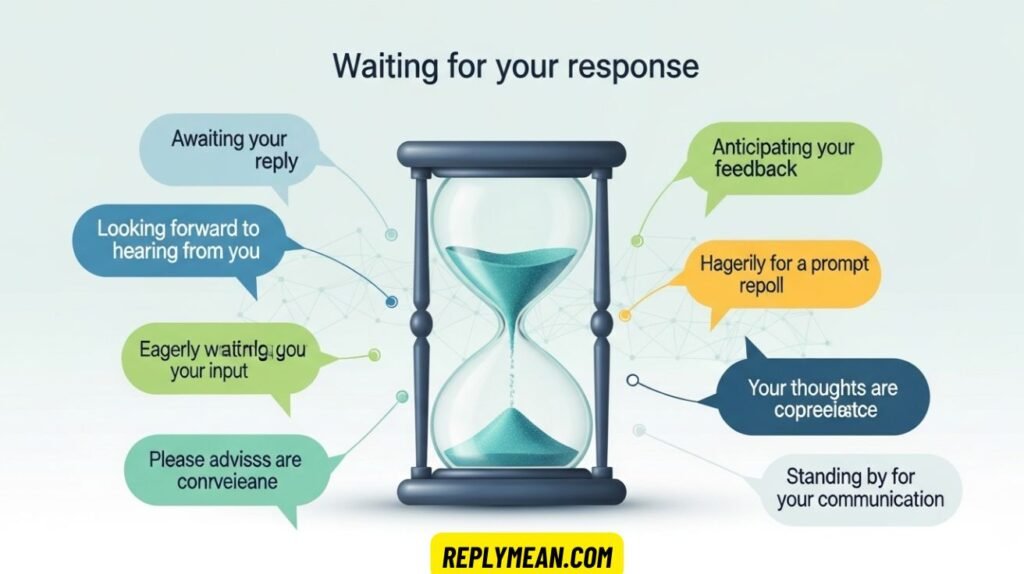
Modern workplaces rely heavily on digital communication, which makes strong workplace communication skills essential. Email remains a primary tool for collaboration, documentation, and decision-making. Clear and respectful wording helps prevent misunderstandings and improves teamwork.
Improving email tone requires practice and awareness of context. Using effective email etiquette phrases ensures that messages remain polite and professional. Writers who develop strong tone control often communicate more efficiently and build better professional relationships.
Email Follow-Up Templates for Professional Communication
Using structured email follow-up templates helps professionals save time and maintain consistency. Templates provide a reliable format for reminders, updates, and response requests without needing to rewrite emails from scratch.
Many professionals combine templates with adaptable follow up email phrases to personalize each message. This approach balances efficiency and clarity. Over time, templates improve organization and help maintain professional tone across different communication situations.
See Also : Requester vs Requestor: Spelling, Use & Examples
Communication Writing Tips to Improve Business Email Tone
Improving email tone requires attention to clarity, structure, and wording. Strong communication writing tips include using simple language, clear purpose statements, and polite closing phrases. These techniques help readers quickly understand the message.
Developing a strong formal email phrases list also improves consistency and professionalism. Writers who expand their vocabulary with better phrasing avoid repetition and sound more confident. Clear communication ultimately leads to faster replies and stronger professional connections.
Case Study: How Better Email Phrasing Improved Response Rates
A small marketing agency in Texas tested different email closing phrases across 300 client emails. They replaced direct phrases like “waiting for your response” with softer alternatives such as looking forward to your reply and other polite email expressions.
Within four weeks, their response rate increased by 18 percent. Clients reported that emails sounded more conversational and less demanding.
This demonstrates how strong business writing vocabulary and tone awareness directly improve communication results.
Expert Quote on Professional Email Tone
“Clear communication is not just about what you say, but how you say it. Tone determines response.”
– Harvard Business Writing Research Project
This highlights why professionals continuously improve their professional email language and learn updated email etiquette phrases.
FAQs
How do you politely say “waiting for your response”?
Use polite alternatives like “Looking forward to your reply” or “Hope to hear from you soon.” These phrases sound friendly and professional without sounding impatient.
How do you politely ask for a reply?
You can say “Kindly share your feedback when convenient” or “Please let me know your thoughts.” This keeps your request respectful and clear.
How do you politely say “I await your response”?
Say “I look forward to hearing from you” or “I’ll look forward to your update.” These options sound more natural in modern professional emails.
What is a fancy word for response?
Formal words include “reply,” “feedback,” “input,” “reaction,” “answer,” or “clarification.” These are commonly used in business and academic writing.
12 Other Ways To Say “I Am Waiting For Your Response”
Looking forward to your reply, Awaiting your feedback, Please share your thoughts, Let me know what you think, Anticipating your response, Awaiting your input, Kindly respond when convenient, Hope to hear from you soon, Just following up, I’d appreciate your reply, Waiting for your update, Please advise.
Conclusion
Clear email writing helps people understand your message fast and easily. Many writers often use the phrase Waiting for Your Response, but using different expressions makes emails sound more natural and polite. Good wording shows respect and builds strong communication habits. Simple phrases also improve clarity and reduce confusion in school and professional environments.
Learning new alternatives to Waiting for Your Response strengthens writing skills over time. A student or professional can use polite expressions to keep messages friendly and organized. Easy and direct sentences make emails more effective and professional. Regular practice helps build confidence, improve tone, and create better communication in daily writing tasks.